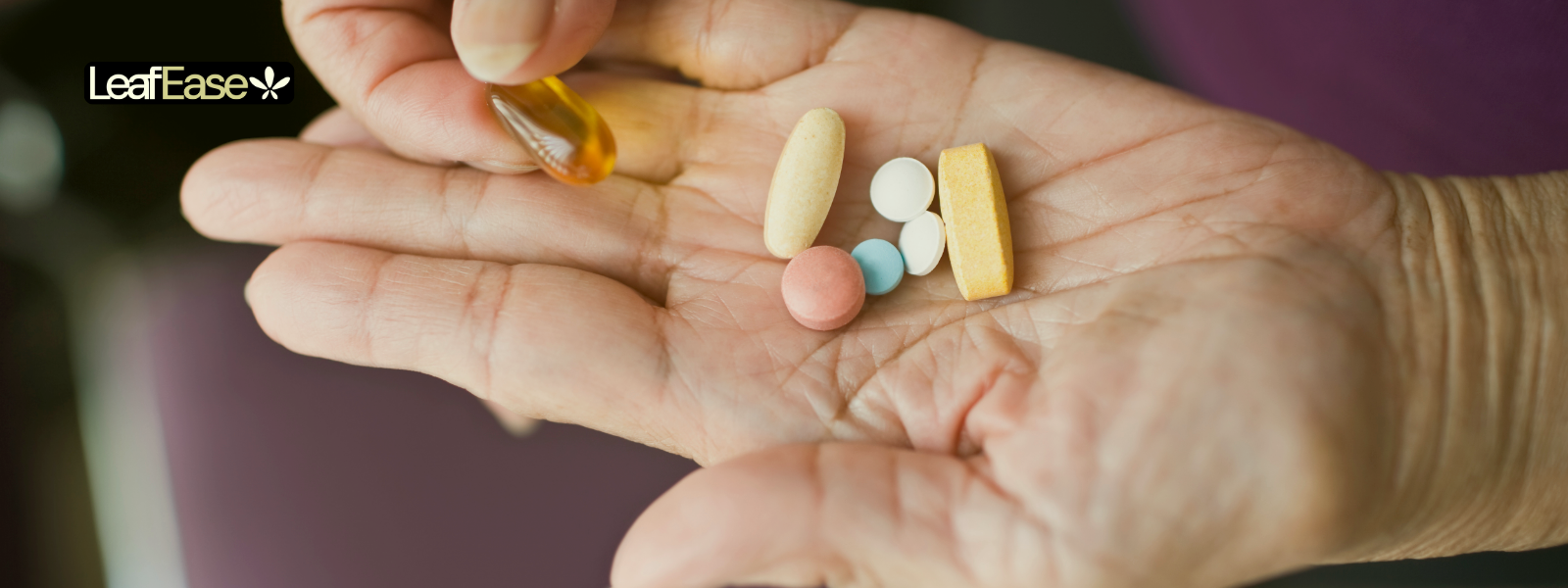



Chronic pain is not one set condition. Two people can describe their pain as constant and draining, yet be experiencing something completely different at a biological level. What works for one may do very little for the other. This distinction matters enormously when deciding whether medical cannabis is a realistic option for you.
The two main categories of chronic pain are neuropathic pain and nociceptive pain. Understanding the difference in how cannabis affects each can help you have a far more informed conversation with a specialist.
Key Takeaways:
- Neuropathic and nociceptive pain arise from completely different mechanisms, and cannabis does not affect them in the same way.
- The strongest clinical evidence for cannabis-based medicines currently sits with neuropathic pain, particularly in conditions like diabetic neuropathy, multiple sclerosis, and spinal cord injury.
- Nociceptive pain may still respond to cannabis-based medicines, particularly where inflammation and associated symptoms like poor sleep and anxiety are involved.
- Both pain types are recognised by UK specialist clinics as potentially qualifying conditions for a medical cannabis prescription; however, individual assessment is key.
- You do not need a GP referral to begin the process.
What Is the Difference Between Neuropathic and Nociceptive Pain?
Not all pain comes from the same place. Sometimes pain is your body’s way of telling you that something has been injured, irritated, or inflamed. Other times, the pain itself becomes the problem. The simplest way to understand the distinction: nociceptive pain is the body’s normal alarm system working correctly. Neuropathic pain is the alarm system itself becoming damaged and misfiring.
Nociceptive pain occurs when special sensory receptors called nociceptors detect actual or potential tissue damage. The pain signal is proportionate and purposeful, and it typically eases as that tissue heals. Inflammatory conditions, muscle pain, and joint pain generally fall into this category. [1]
Neuropathic pain, by contrast, arises from damage or malfunction within the nervous system itself. The nerves send faulty pain signals that do not reflect actual tissue damage. This is why people with conditions like diabetic neuropathy, multiple sclerosis, or sciatica can experience burning, shooting, or electric shock-like sensations even when there is no obvious injury present. [2]
How Does Medical Cannabis Work on Pain?
If you have been living with chronic pain for years and conventional treatments have not given you enough relief, understanding why medical cannabis might work differently is a reasonable place to start. The answer lies in a system the body already has. The body has its own endocannabinoid system (ECS), a network of receptors, primarily CB1 and CB2, distributed throughout the brain, spinal cord, and peripheral nervous system. These receptors play a direct role in regulating how pain signals are generated, transmitted, and interpreted.
CB1 receptors are concentrated in the brain and spinal cord, where they modulate the emotional and sensory components of pain. CB2 receptors are found primarily on immune cells and in peripheral tissues, where they regulate inflammation. When cannabinoids like THC and CBD interact with these receptors, they can dampen the transmission of pain signals, reduce neuroinflammation, and influence how intensely pain is perceived. [3]
Which Type of Pain Responds Better to Medical Cannabis?
Neuropathic Pain: The Stronger Evidence Base
Currently, the most consistent clinical evidence for cannabis-based medicines is in neuropathic pain. If you or your loved one is suffering from diabetic neuropathy, multiple sclerosis, peripheral neuropathy and such conditions, there’s a better chance they can benefit from medical cannabis. A 2025 systematic review of 22 randomised controlled trials, covering studies from 2003 to 2024, found that THC-containing preparations produced meaningful reductions in neuropathic pain intensity across multiple conditions, including diabetic neuropathy, HIV-related neuropathy, and multiple sclerosis. [4]
This aligns with what we know biologically. In neuropathic pain states, the nervous system undergoes a process called central sensitisation. Essentially, the pain pathways become overactive and hypersensitive. Research shows that CB1 receptors upregulate along these sensitised pain pathways, meaning there are more receptor targets for cannabinoids to act on.[3] A 2025 cross-sectional study published in Frontiers in Pain Research found that people living with neuropathic pain as their primary chronic pain condition used cannabis products more frequently and for longer durations than those with non-neuropathic pain, suggesting that patients themselves perceive a meaningful benefit. [5]
Nociceptive Pain: Emerging but More Variable Evidence
The evidence for cannabis in nociceptive pain is less straightforward, but it is not absent. A 2024 living systematic review commissioned by the Agency for Healthcare Research and Quality (AHRQ) and published on NCBI found that cannabis-based medicines produced modest but measurable reductions in pain intensity across chronic pain conditions that included nociceptive and mixed-mechanism pain. The review noted, however, that the effect sizes were generally smaller than those seen in neuropathic pain trials. [6] For people with nociceptive pain, medical cannabis might not do much for the pain but it can help alleviate wider symptoms that come with that burden, like disrupted sleep, anxiety, and low energy levels. [7]
Consider someone who has been living with osteoarthritis for three years. They have tried two courses of anti-inflammatory medication, both of which helped initially but caused gastrointestinal side effects they couldn’t tolerate long-term. Sleep has become a consistent problem, and anxiety around flare-ups has worsened. Day-to-day function at work is affected. This is the kind of history a specialist looks at when assessing whether medical cannabis is appropriate for nociceptive pain. The question is not which pain category applies. It is whether conventional treatments have provided adequate relief and whether the broader symptom picture, including sleep and mood, points toward a clinical need that cannabis-based medicines could address.
What This Means for You?
The type of pain you have does not automatically determine whether you will or will not qualify for a medical cannabis prescription in the UK. What matters to a specialist is your full clinical picture: your diagnosis, symptom profile, what treatments you have already tried, and whether conventional options have provided sufficient relief.
The process at LeafEase begins with an individual assessment by a GMC-registered specialist who will review your medical history, your diagnoses, and your treatment journey to date. Every prescription is based on your individual clinical history, not a standard formula.
Next-day grogginess is one of the most common concerns patients raise, particularly those already dealing with fatigue from chronic pain. This is addressed directly during your consultation. CBD-dominant and lower-THC formulations are generally associated with less next-day sedation. Your clinician will factor in your daily routine, whether you drive, and how your body typically responds to medication before recommending a starting point. If the first approach doesn’t feel right, the formulation gets adjusted.
If prescribed, your medication is dispensed by a licensed pharmacy partner and delivered to your door within 48 hours in plain, discreet packaging with no indication of the contents on the outside. For patients who want ongoing support built in, the LeafEase Advantage subscription covers follow-up consultations with the same clinician who knows your history, continuity of care, dose reviews around your daily routine, and free home delivery.
Check your eligibility at LeafEase for free to get a better picture of whether a consultation is the right next step for you.
Frequently Asked Questions
What is the difference between neuropathic and nociceptive pain?
Nociceptive pain comes from actual or potential damage to body tissue, it is the normal pain alarm working as intended. Neuropathic pain arises from damage or dysfunction within the nervous system itself, producing symptoms like burning, shooting pain, or painful sensations from light touch. Both can become chronic and severely affect quality of life.
Does medical cannabis work better for nerve pain?
The current clinical evidence is stronger for neuropathic pain than for nociceptive pain. Multiple randomised controlled trials have demonstrated meaningful pain relief with THC-containing products in conditions like diabetic neuropathy and MS-related pain. Evidence in nociceptive pain is less consistent, though benefits around sleep, anxiety, and quality of life have been reported across both pain types.
Can you get medical cannabis for nociceptive pain in the UK?
Yes. UK specialist clinics assess patients individually, regardless of pain type.
What kinds of neuropathic pain conditions qualify for medical cannabis in the UK?
Conditions that commonly qualify include diabetic peripheral neuropathy, post-herpetic neuralgia (shingles nerve pain), trigeminal neuralgia, MS-related neuropathic pain, and spinal cord injury pain. A confirmed diagnosis and evidence of having tried at least two conventional treatments are required.
Do I need a GP referral to access medical cannabis?
No. You can self-refer directly to a private specialist clinic like LeafEase.
References:
[1] International Association for the Study of Pain (IASP). (2017). Terminology: Nociceptive Pain. Available at: https://www.iasp-pain.org/resources/terminology/ [Accessed: 20 May 2026].
[2] Cohen, S.P. and Mao, J. (2014). Neuropathic pain: mechanisms and their clinical implications. BMJ, 348, f7656. Available at: https://doi.org/10.1136/bmj.f7656 [Accessed: 20 May 2026].
[3] Malek, N. et al. (2015). The endocannabinoid system in pain and inflammation: Its relevance to rheumatic disease. European Journal of Rheumatology, 4(3), pp.210–218. Available at: https://pmc.ncbi.nlm.nih.gov/articles/PMC5685274/ [Accessed: 20 May 2026].
[4] Sokolaj, E. et al. (2025). Are Cannabis-Based Medicines a Useful Treatment for Neuropathic Pain? A Systematic Review. Biomolecules, 15(6), 816. Available at: https://www.mdpi.com/2218-173X/15/6/816 [Accessed: 20 May 2026].
[5] Laroya, C.J.P. et al. (2025). Cross-sectional comparison of cannabis use in adults with neuropathic versus non-neuropathic pain. Frontiers in Pain Research, 6. Available at: https://doi.org/10.3389/fpain.2025.1677391 [Accessed: 20 May 2026].
[6] Chou, R. et al. (2024). Living Systematic Review on Cannabis and Other Plant-Based Treatments for Chronic Pain: 2024 Update. Agency for Healthcare Research and Quality (AHRQ). Available at: https://pubmed.ncbi.nlm.nih.gov/40238954/ [Accessed: 20 May 2026].
[7] Rapin, L. et al. (2023). Cannabinoid-based medicines in clinical care of chronic non-cancer pain: an analysis of pain mechanism and cannabinoid profile. Exploration of Medicine, 4(3), pp.363–379. Available at: https://doi.org/10.37349/emed.2023.00148 [Accessed: 20 May 2026].