
Sleep disturbance is a common symptom during menopause, often caused by hormonal changes that affect the body’s ability to regulate sleep, temperature, and mood. Many women experience insomnia, frequent night waking, or poor sleep quality, which can lead to fatigue, irritability, and reduced daily functioning. Medical cannabis may be considered as an alternative treatment for menopause-related sleep disturbances when traditional therapies have not provided sufficient relief, as it interacts with the body’s endocannabinoid system to support sleep and relaxation, with Leafease offering expert-guided medical cannabis solutions for personalised care.
Women experience sleep problems during menopause in the UK.
Women report menopause symptoms that significantly disrupt sleep and daily life.
Women aged 50+ in the UK say they regularly struggle with sleep
Adults experience weekly sleep problems, with menopause being a major contributor for mid-life women.
If you experience these symptoms and they persist despite standard treatments, you can quickly find out if you are eligible for medical cannabis therapy through our simple online assessment.

Managing menopause-related sleep disturbance usually begins with a clinical consultation to understand the severity of symptoms and how they affect daily life. A healthcare professional will review sleep patterns, menopause symptoms, medical history, and lifestyle factors that may contribute to disrupted sleep. Initial management often focuses on lifestyle and behavioural strategies such as improving sleep hygiene, maintaining a consistent sleep schedule, reducing caffeine or alcohol intake in the evening, and adjusting bedroom temperature to help reduce night sweats and discomfort.
If symptoms continue despite these measures, clinicians may consider further treatment approaches aimed at supporting the body’s natural systems that regulate sleep, mood, and temperature. Some patients may be referred to specialist clinics for further assessment and alternative therapeutic options that may help improve sleep quality and manage related symptoms. If symptoms remain difficult to manage with conventional therapies, medical cannabis can be considered as an alternative treatment to help provide relief and support overall wellbeing. Checking your eligibility for medical cannabis with a qualified clinician can help determine whether a more personalised treatment plan may be suitable, with Leafease providing expert-guided medical cannabis as an alternative treatment option.
Menopause-related sleep disturbance is often linked to hormonal changes that affect the body’s natural sleep cycle and temperature regulation. As oestrogen and progesterone levels decline, many women experience symptoms that interrupt restful sleep and make it harder to stay asleep throughout the night.
Other factors such as stress, lifestyle habits, and underlying sleep conditions may also contribute to menopause-related sleep disturbance.
Find out if you may be eligible for Menopause–related Sleep Disturbance
medical cannabis treatment here.
Medical cannabis may help improve menopause-related sleep disturbance by interacting with the body’s endocannabinoid system, which helps regulate sleep, mood, and temperature. By promoting relaxation and reducing night-time discomfort, such as anxiety or restlessness, it may support better sleep quality. When prescribed by a specialist clinician, medical cannabis may be considered as an alternative option for patients whose symptoms have not improved with conventional treatments.
Reference: https://journals.plos.org/mentalhealth/article?id=10.1371/journal.pmen.0000390
Reference: https://pauz.health/blog/can-marijuana-help-with-sleep-in-menopause
Reference: https://academic.oup.com/sleep/article/45/2/zsab234/6373351
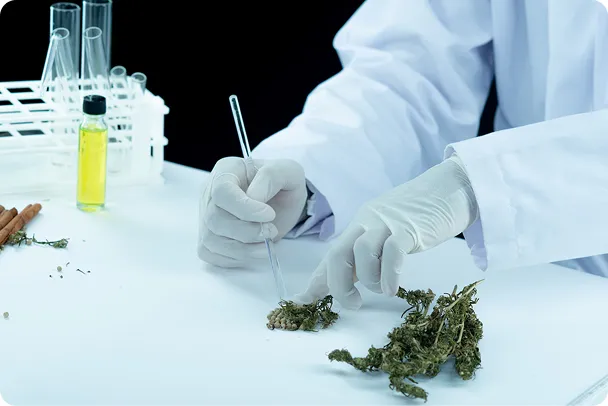
At LeafEase, treatment is provided under specialist supervision, ensuring each patient receives a thorough assessment and ongoing clinical support throughout their care. Our personalised approach allows eligible patients to explore medical cannabis as a regulated, clinically guided option to help manage menopause-related sleep disturbances

Medical cannabis is generally prescribed under specialist supervision, but like any treatment, it may cause side effects in some individuals. These effects may vary depending on the individual, dosage, and type of cannabis-based product used. A qualified clinician will monitor treatment closely to help minimise risks and ensure the therapy remains appropriate for the patient.
Most side effects are typically mild, temporary, and carefully monitored to ensure treatment remains safe and well-tolerated.
Find out whether medical cannabis may be a suitable treatment option for Menopause–related Sleep Disturbance
Simply submit your questions, and we’ll do our best to address them promptly and thoroughly. Your health is our priority, and we’re here to support you every step of the way.
Yes. Poor sleep over long periods can affect mood, concentration, energy levels, and overall wellbeing.
Hormonal changes can affect temperature control and sleep cycles, leading to night sweats and frequent awakenings.
Patients whose symptoms have not improved with conventional treatments may be assessed by a specialist clinician for eligibility.
Some patients may notice improvements in sleep within a short time, while others may require treatment adjustments.
In some cases, it may also help with symptoms such as anxiety, discomfort, and mood changes.
Yes. Treatment is prescribed and monitored by qualified clinicians to ensure safety and effectiveness.
In some cases, it may be used as part of a broader treatment plan depending on individual medical advice.