
Tourette’s syndrome is a neurological condition characterised by repetitive, involuntary movements and sounds known as tics. These tics may include sudden movements such as blinking or head jerking, as well as vocal sounds such as throat clearing or repeated words.
Symptoms often begin during childhood and may vary in frequency and severity over time. For some individuals, tics can interfere with daily activities, concentration, and social interactions. While behavioural therapies and other medical treatments may help manage symptoms, some people continue to experience difficulties despite treatment. In these situations, LeafEase provides a pathway for eligible patients to explore alternative treatment options such as medical cannabis under specialist supervision.
School-aged children may experience Tourette’s syndrome or chronic tic disorders.
Tourette’s syndrome is approximately three to four times more common in males than females.
Symptoms usually begin between the ages of five and ten years.
If these symptoms sound familiar and continue despite usual treatments, you can check your eligibility for medical cannabis treatment in minutes using our simple assessment.

In the UK, treatment for Tourette’s syndrome often begins with behavioural therapies and supportive care designed to help individuals manage tic symptoms.
Healthcare professionals may recommend behavioural interventions such as habit reversal therapy, counselling, and strategies that help individuals recognise and manage tic triggers.
However, some people continue to experience disruptive tics despite these approaches. In these cases, LeafEase provides access to specialist assessments for patients seeking alternative symptom management options. Through our clinical evaluation process, eligible patients may be considered for medical cannabis treatment under regulated medical supervision.
The exact cause of Tourette’s syndrome is not fully understood, but research suggests it may involve differences in brain circuits that control movement and behaviour.
Genetic factors appear to play an important role, and the condition often occurs in families. Researchers also believe that changes in neurotransmitters such as dopamine may influence tic activity.
Understanding these factors can help guide treatment strategies and support better symptom management.
Find out if you may be eligible for Tourette’s Syndrome medical cannabis treatment here.
Medical cannabis interacts with the body’s endocannabinoid system, which plays a role in regulating neurological activity and movement control. Some researchers believe cannabinoids may influence brain pathways involved in tic disorders.
Under specialist supervision, medical cannabis may help some individuals manage symptoms such as tic severity, anxiety, and sleep disturbance associated with Tourette’s syndrome. Treatment suitability is carefully assessed to ensure safe and appropriate care.
Reference: https://pubmed.ncbi.nlm.nih.gov/12716250/
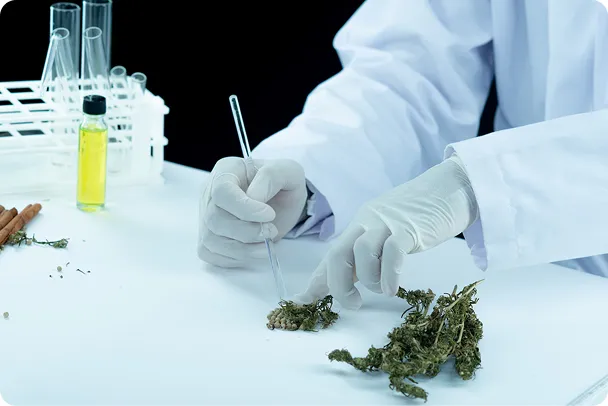
At LeafEase, treatment is delivered under specialist supervision. Each patient receives a personalised assessment to determine whether medical cannabis may be a suitable and regulated option for managing Tourette’s syndrome symptoms safely.

Specialist doctors monitor treatment closely to ensure safe and appropriate use.
Find out whether medical cannabis may be a suitable treatment option for Tourette’s Syndrome
Simply submit your questions, and we’ll do our best to address them promptly and thoroughly. Your health is our priority, and we’re here to support you every step of the way.
Yes. Medical cannabis may help some individuals manage symptoms such as tic severity, anxiety, and sleep disturbance under specialist supervision.
Yes. Medical cannabis is legal in the UK when prescribed by a specialist doctor for eligible patients.
Patients who have diagnosed conditions and have tried other treatments without sufficient improvement may be considered for specialist assessment.
The timeline varies depending on the individual and treatment plan determined by the specialist doctor.
Yes. Some patients report improvements in anxiety symptoms when using cannabis-based medicines under medical supervision.