
Lennox-Gastaut syndrome (LGS) is a rare and severe form of epilepsy that usually begins in childhood. The condition is characterised by frequent seizures, developmental delays, and difficulties with learning or behaviour. People living with Lennox-Gastaut syndrome may experience multiple seizure types that can significantly affect daily functioning, safety, and quality of life. Managing seizure frequency and related symptoms can be challenging for some individuals despite conventional treatments.
LeafEase offers individuals affected by Lennox-Gastaut syndrome the opportunity to benefit from regulated medical cannabis treatment when seizures remain difficult to control through standard care approaches.
of all epilepsy cases in the UK are estimated to be Lennox-Gastaut syndrome.
of children in the UK with Lennox-Gastaut syndrome continue to experience seizures into adulthood.
Up to 90% of individuals with Lennox-Gastaut syndrome develop cognitive or developmental difficulties.
Symptoms often begin in early childhood and may involve different types of seizures.
If these symptoms sound familiar and continue despite usual treatments, you can quickly check your eligibility for medical cannabis treatment through LeafEase’s simple online assessment.

In the UK, treatment for Lennox-Gastaut syndrome usually focuses on reducing seizure frequency and improving overall quality of life. Approaches may include specialist neurological care, supportive therapies, and lifestyle strategies aimed at managing seizures and maintaining safety.
For some individuals, seizures may continue despite these approaches. When symptoms remain difficult to control with conventional care, medical cannabis may offer an alternative option under specialist supervision.
At LeafEase, patients undergo a clinical assessment to determine treatment suitability and receive ongoing monitoring to support safe and effective symptom management.
Lennox-Gastaut syndrome can develop due to several underlying neurological factors that affect brain activity and seizure control. In some individuals, the condition develops after brain injury or structural abnormalities in the brain.
However, in many cases the exact cause cannot be clearly identified.
Find out if you may be eligible for Lennox-Gastaut Syndrome medical cannabis treatment here.
Medical cannabis interacts with the body’s endocannabinoid system, which plays a role in regulating neurological activity and seizure signalling. The cannabinoids CBD (cannabidiol) and THC (tetrahydrocannabinol) influence pathways involved in brain excitability.
CBD has been studied for its role in reducing seizure frequency, while THC may contribute to regulating neurological activity and improving sleep patterns. In the UK, specialist clinicians prescribe and monitor medical cannabis treatment to ensure safety and effectiveness.
Studies on Medical Cannabis as an Alternative Treatment for Lennox-Gastaut Syndrome
https://www.nejm.org/doi/full/10.1056/NEJMoa1714631
https://onlinelibrary.wiley.com/doi/full/10.1111/epi.17000?msockid=0341e63c964060ce1ea5f08a97e16114
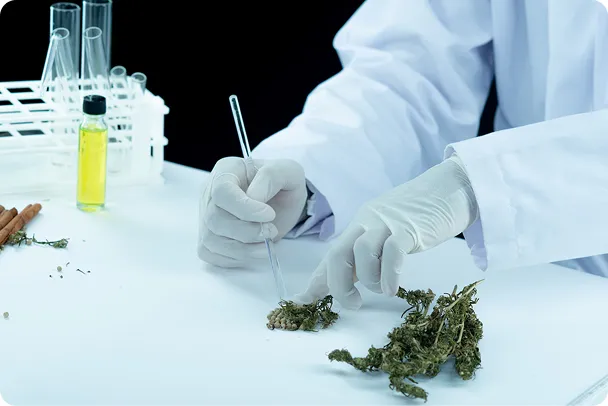
At LeafEase, treatment is delivered under specialist supervision, ensuring every patient is safely assessed and supported throughout their care. Our personalised approach helps you explore medical cannabis as a regulated, clinically guided option for long-term pain relief

When used under specialist supervision, medical cannabis is generally well tolerated, though mild effects may occur as the body adjusts.
These effects are usually mild and may improve as treatment is adjusted. Regular clinical reviews help ensure treatment remains safe and suitable.
Find out whether medical cannabis may be a suitable treatment option for Lennox-Gastaut Syndrome
Simply submit your questions, and we’ll do our best to address them promptly and thoroughly. Your health is our priority, and we’re here to support you every step of the way.
Medical cannabis, particularly CBD-based treatments, has been studied for its potential to reduce seizure frequency in individuals with Lennox-Gastaut syndrome.
Specialist clinicians in the UK may prescribe cannabis-based treatments for certain forms of severe epilepsy when conventional treatments have not provided adequate seizure control.
CBD has been studied for its ability to influence brain signalling involved in seizure activity, while THC may help regulate neurological activity and improve sleep patterns.
Medical cannabis may help manage symptoms such as frequent seizures, sleep disturbance, and neurological discomfort associated with severe epilepsy.
At LeafEase, patients undergo a specialist clinical assessment where symptoms, medical history, and previous treatments are reviewed to determine whether regulated medical cannabis treatment may be appropriate.