
Post-Traumatic Stress Disorder (PTSD) is a mental health condition that can develop after someone experiences or witnesses a traumatic event. These events may include serious accidents, violence, military combat, natural disasters, or other highly distressing situations.
People living with PTSD may experience recurring memories of the trauma, emotional distress, and ongoing feelings of fear or anxiety. These symptoms can affect sleep, relationships, work, and overall wellbeing.
While treatments such as therapy and other medical support help many people, some individuals continue to experience symptoms despite trying different options. In these cases, LeafEase provides a pathway to explore alternative treatment options under specialist supervision. Through this, eligible patients can be assessed for medical cannabis treatment as part of a regulated and clinically guided approach to symptom management.
Adults in the UK are estimated to experience PTSD in any given year.
People in the UK will experience PTSD at some point in their lives.
People who experience trauma will go on to develop post-traumatic stress disorder (PTSD).
Sleep disturbance and nightmares are among the most frequently reported symptoms of PTSD.
If these symptoms sound familiar and continue despite usual treatments, you can check your eligibility for medical cannabis treatment in minutes using our simple assessment.

Treatment for PTSD usually begins with a clinical assessment to understand symptoms and their impact on daily life. In the UK, first-line care often includes psychological therapies such as trauma-focused counselling, behavioural therapy, EMDR and stress-management techniques.
For patients whose symptoms remain difficult to manage, specialist clinics may explore alternative treatment options and LeafEase provides a pathway to explore alternative treatment options under specialist supervision.
PTSD develops after exposure to traumatic events that overwhelm a person’s ability to cope emotionally or psychologically. Not everyone who experiences trauma develops PTSD, but certain factors can increase the likelihood of the condition developing.
Traumatic experiences can affect how the brain processes fear and stress. In people with PTSD, the body’s natural stress response may remain active even after the danger has passed, leading to persistent anxiety and emotional distress.
Understanding these factors can help healthcare professionals develop targeted treatment strategies that address both psychological and physical symptoms.
Yes. Some patients report improved sleep and reduced nighttime anxiety when using cannabis-based medicines under specialist care.
Medical cannabis interacts with the body’s endocannabinoid system, which helps regulate stress responses, mood, and sleep cycles. Certain cannabinoids may influence receptors involved in emotional processing and memory regulation.
Under specialist supervision, medical cannabis may help some patients manage symptoms commonly associated with PTSD, such as anxiety, sleep disturbances, and heightened stress responses. Treatment suitability is determined through a clinical assessment to ensure that it is appropriate for the patient’s individual needs.
Reference:
https://www.ncbi.nlm.nih.gov/pmc/articles/PMC8222769/
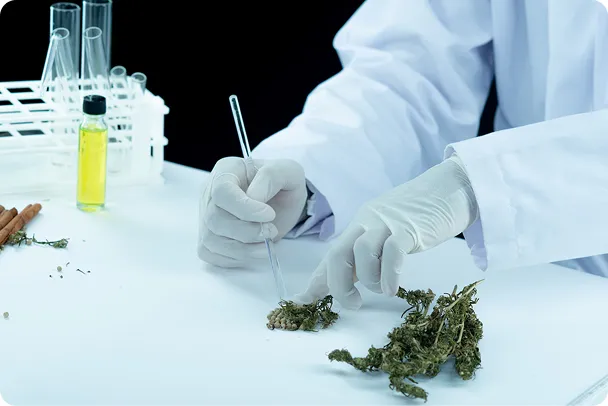
At LeafEase, treatment is delivered under specialist supervision. Each patient receives a personalised assessment to determine whether medical cannabis may be a suitable and regulated treatment option for managing PTSD symptoms safely.

Like any medical treatment, cannabis-based medicines may cause side effects in some individuals. These effects are typically mild and vary depending on the individual, dosage, and treatment type.
Specialist doctors monitor treatment closely to ensure that medications are used safely and adjusted when necessary.
Find out whether medical cannabis may be a suitable treatment option for Post-Traumatic Stress Disorder (PTSD)
Simply submit your questions, and we’ll do our best to address them promptly and thoroughly. Your health is our priority, and we’re here to support you every step of the way.
Yes. Medical cannabis may help some patients manage symptoms such as anxiety, sleep disturbance, and heightened stress responses. A specialist consultation is required to determine if treatment is appropriate.
Yes. Medical cannabis is legal in the UK when prescribed by a specialist doctor for eligible patients who have not responded to conventional treatments.
Yes. Some patients report improvements in sleep quality and fewer nightmares when using cannabis-based treatments under medical supervision.
Yes. UK regulations require patients to undergo a specialist consultation before medical cannabis can be prescribed.
Yes. Alternative treatments such as specialist therapies and medical cannabis may help some individuals manage symptoms when standard approaches have not been effective.
No. Medical cannabis is usually considered only after conventional treatments have been tried without sufficient relief.
Yes. Some patients report improved sleep and reduced nighttime anxiety when using cannabis-based medicines under specialist care.