
Of people living with long-term health conditions report reduced appetite at some stage of their illness.
Loss of appetite is frequently reported in people with chronic conditions such as neurological disorders, gastrointestinal disease, and long-term infections.
Persistent appetite loss may lead to unintentional weight loss and reduced nutritional intake.
Reduced appetite can affect energy levels, recovery, and overall quality of life for people managing chronic illness.
If these symptoms sound familiar and continue despite usual treatments, you can check your eligibility for medical cannabis treatment in minutes using our simple assessment.

In the UK, treatment for appetite loss often begins with nutritional support, dietary guidance, and lifestyle adjustments aimed at improving food intake and overall health.
However, some individuals continue to experience reduced appetite despite these approaches. In these cases, LeafEase provides access to specialist assessments for patients seeking alternative symptom management options. Through our clinical evaluation process, eligible patients may be considered for medical cannabis treatment under regulated medical supervision.
Appetite loss can develop due to a range of physical and psychological factors. Chronic illness, ongoing symptoms, and certain medical treatments may influence how the body regulates hunger and metabolism.
Long-term conditions may affect hormones and brain signals that control appetite, while physical discomfort or fatigue may also reduce the desire to eat.
Identifying the underlying cause can help healthcare professionals develop appropriate treatment plans and improve nutritional support.
Find out whether medical cannabis may be a suitable treatment option for Appetite Loss (Non-Cancer).
Medical cannabis interacts with the body’s endocannabinoid system, which plays an important role in regulating appetite, metabolism, and energy balance. Certain cannabinoids may stimulate appetite and influence signals in the brain that control hunger.
Under specialist supervision, medical cannabis may help some individuals improve appetite and manage symptoms such as nausea or discomfort that may reduce food intake. Treatment suitability is always assessed by a specialist doctor to ensure safe and appropriate care.
Studies and Research on Medical Cannabis and Appetite
Research published in Current Opinion in Endocrinology, Diabetes and Obesity explored how cannabinoids may influence appetite and metabolism. The review found evidence that cannabinoids can stimulate appetite and improve food intake in some medical conditions.
Reference: https://pmc.ncbi.nlm.nih.gov/articles/PMC9525229/
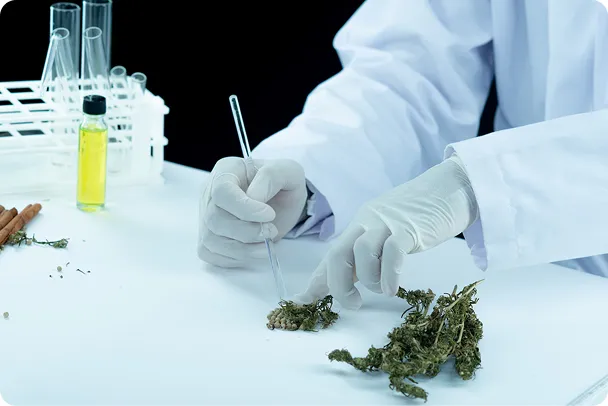
Medical cannabis may offer an alternative option for individuals experiencing persistent appetite loss when standard treatments have not provided sufficient relief.
At LeafEase, treatment is delivered under specialist supervision. Each patient receives a personalised assessment to determine whether medical cannabis may be a suitable and regulated option for managing appetite loss safely.

Like any treatment, cannabis-based medicines may cause side effects in some individuals. These effects are generally mild and vary depending on dosage and individual response.
Specialist doctors monitor treatment closely to ensure safe and appropriate use.
Find out whether medical cannabis may be a suitable treatment option for Appetite Loss (Non-Cancer).
Simply submit your questions, and we’ll do our best to address them promptly and thoroughly. Your health is our priority, and we’re here to support you every step of the way.
Yes. Medical cannabis may help stimulate appetite in some individuals by interacting with the body’s endocannabinoid system.
Yes. Medical cannabis is legal in the UK when prescribed by a specialist doctor for eligible patients.
The timeline varies depending on the individual and treatment plan determined by the specialist doctor.
Yes. Some patients report improved appetite and food intake when using cannabis-based medicines under medical supervision.
Yes. UK regulations require a consultation with a specialist doctor before medical cannabis can be prescribed.
Yes. Some patients report reduced nausea and improved appetite when using cannabis-based medicines under medical guidance.