
Irritable Bowel Syndrome (IBS) is a common digestive condition that can cause abdominal pain, bloating, and changes in bowel habits, often affecting daily comfort and quality of life. At Leafease, individuals dealing with persistent IBS symptoms may explore medical cannabis treatment under specialist supervision as part of a guided care plan when standard therapies have not offered adequate relief.
of people in the UK are estimated to live with Irritable Bowel Syndrome (IBS).
Women in the UK are more likely to develop IBS than men.
of people with IBS in the UK seek medical advice for their symptoms.
If these symptoms sound familiar and continue despite usual treatments, you can check your eligibility for medical cannabis treatment in minutes using our quick online assessment.

Treatment for IBS usually starts with a clinical assessment to confirm the diagnosis, rule out other conditions, and explore symptom triggers such as diet, stress, and lifestyle. Initial management focuses on tailored lifestyle and dietary changes, including adjusting fibre intake, improving hydration, managing stress, and avoiding trigger foods, sometimes alongside gut‑focused or behavioural therapies.
If symptoms remain disruptive, patients may be referred to specialist services for further assessment and a personalised care plan, which can include exploring medically supervised options such as medical cannabis with LeafEase.
The exact cause of Irritable Bowel Syndrome (IBS) is not fully understood, but it is believed to involve changes in how the gut functions and communicates with the brain. A combination of digestive sensitivity, lifestyle factors, and previous gut conditions may contribute to the development of symptoms.
Dietary habits, emotional stress, and individual gut health may also influence the severity and frequency of IBS symptoms
Find out if you may be eligible for IBS medical cannabis treatment here.
Medical cannabis may help manage Irritable Bowel Syndrome by interacting with the body’s endocannabinoid system, which plays a role in regulating digestion, pain perception, and inflammation. This interaction may help reduce abdominal pain, ease gut discomfort, and support more balanced bowel activity. In some patients, it may also help manage stress and improve sleep, which can indirectly support better digestive health and overall symptom control.
Studies on Medical Cannabis Alternative Solution as a Treatment for IBS
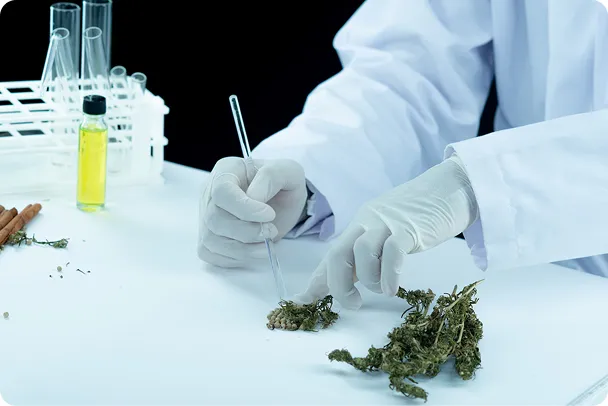
At LeafEase, treatment is provided under specialist supervision, ensuring every patient is carefully assessed and supported throughout their care. Our personalised approach allows eligible patients to explore medical cannabis as a regulated, clinically guided option for managing IBS symptoms and improving daily wellbeing.

Medical cannabis may help manage IBS symptoms for some patients, but like any treatment it can cause side effects in certain individuals. These effects are usually mild and may depend on the dosage, formulation, and individual response to treatment. Specialist clinicians monitor patients closely to ensure treatment remains safe and appropriate.
Most side effects are mild and manageable under medical supervision, but patients should always consult a qualified clinician before starting treatment.
Find out whether medical cannabis may be a suitable treatment option for IBS
Simply submit your questions, and we’ll do our best to address them promptly and thoroughly. Your health is our priority, and we’re here to support you every step of the way.
Yes. IBS symptoms can vary in intensity and may change over time, with periods of flare-ups followed by times when symptoms improve or become less noticeable.
Yes. Some people find that foods such as fatty meals, processed foods, or certain carbohydrates can trigger digestive discomfort and worsen IBS symptoms.
Yes. Stress can affect the communication between the brain and the gut, which may increase bowel sensitivity and lead to more frequent IBS symptoms.
In some cases, medical cannabis may be considered as an option to help manage abdominal discomfort and digestive sensitivity when other treatments have not provided enough relief.
A specialist clinician will review your medical history, current symptoms, and previous treatments to determine whether medical cannabis may be a suitable option.