
Post-stroke spasticity or pain can develop after a stroke affects the parts of the brain responsible for controlling muscle movement. This may cause muscles to become stiff, tight, or difficult to control. Some people also experience nerve-related pain following a stroke.
These symptoms can affect mobility, daily activities, and overall quality of life. Muscle stiffness may make it difficult to walk, use the arms, or perform routine tasks. While rehabilitation therapies and medical treatments can help many individuals manage symptoms, some people continue to experience discomfort or limited mobility. In these situations, LeafEase provides a pathway for eligible patients to explore alternative treatment options such as medical cannabis under specialist supervision.
Of people who survive a stroke may develop spasticity affecting their muscles.
Spasticity is one of the most common long-term complications following a stroke.
Stroke survivors experience ongoing pain related to nerve damage.
Post-stroke spasticity can affect mobility, independence, and the ability to perform everyday activities.
Common symptoms may include:
If these symptoms sound familiar and continue despite usual treatments, you can check your eligibility for medical cannabis treatment in minutes using our simple assessment.

In the UK, treatment for post-stroke spasticity or pain usually involves rehabilitation therapies aimed at improving mobility and muscle control. Healthcare professionals may recommend physiotherapy, occupational therapy, and supportive treatments designed to reduce muscle stiffness.
However, some individuals continue to experience muscle stiffness or pain despite these approaches. In these cases, LeafEase provides access to specialist assessments for patients seeking alternative symptom management options. Through our clinical evaluation process, eligible patients may be considered for medical cannabis treatment under regulated medical supervision.
Post-stroke spasticity occurs when a stroke damages areas of the brain responsible for controlling muscle movement. This damage can disrupt the signals that normally regulate muscle activity.
As a result, muscles may remain contracted or tight, making movement difficult. Pain may also develop due to nerve damage or prolonged muscle tension.
Understanding the underlying cause can help healthcare professionals develop personalised treatment strategies.
Find out if you may be eligible for Post-Stroke Spasticity or Pain medical cannabis treatment here.
Medical cannabis interacts with the body’s endocannabinoid system, which helps regulate muscle activity, pain perception, and inflammation. Some cannabinoids may influence pathways involved in muscle control and nerve-related pain.
Under specialist supervision, medical cannabis may help some individuals manage symptoms such as muscle stiffness, spasms, and pain associated with post-stroke conditions. Treatment suitability is carefully assessed to ensure safe and appropriate care.
Reference: https://pmc.ncbi.nlm.nih.gov/articles/PMC6713285/
Reference: https://www.frontiersin.org/journals/neurology/articles/10.3389/fneur.2022.892165/full
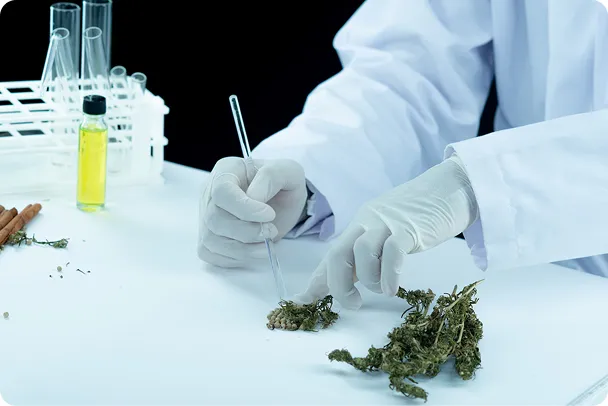
At LeafEase, treatment is delivered under specialist supervision. Each patient receives a personalised assessment to determine whether medical cannabis may be a suitable and regulated option for managing post-stroke symptoms safely.

Like any treatment, cannabis-based medicines may cause side effects in some individuals. These effects are usually mild and vary depending on dosage and individual response.
Specialist doctors monitor treatment closely to ensure safe and appropriate use.
Find out whether medical cannabis may be a suitable treatment option for Post-Stroke Spasticity or Pain
Simply submit your questions, and we’ll do our best to address them promptly and thoroughly. Your health is our priority, and we’re here to support you every step of the way.
Yes. Medical cannabis may help some individuals manage muscle stiffness and spasms under specialist supervision.
Yes. Medical cannabis is legal in the UK when prescribed by a specialist doctor for eligible patients.
Patients who have diagnosed conditions and have tried other treatments without sufficient improvement may be considered for specialist assessment.
The timeline varies depending on the individual and treatment plan determined by the specialist doctor.
Yes. Some patients report improvements in nerve pain and sleep when using cannabis-based medicines under medical supervision.
Yes. UK regulations require a consultation with a specialist doctor before medical cannabis can be prescribed.
Yes. Some patients report improvements in symptoms such as muscle stiffness, pain, and sleep disturbance when using cannabis-based medicines under medical guidance.