
Interstitial cystitis, also known as painful bladder syndrome, is a long-term condition that causes bladder pressure, pelvic pain, and urinary discomfort. Symptoms can vary in severity and often include frequent urination, bladder irritation, and persistent pelvic pain that can interfere with sleep, work, and everyday activities. The condition is sometimes difficult to diagnose because routine urine tests or scans may appear normal even though symptoms continue to affect daily life.
LeafEase offers individuals living with interstitial cystitis an opportunity to benefit from regulated medical cannabis treatment when persistent bladder pain and pelvic discomfort continue despite conventional treatment approaches.
of adults in the UK may experience symptoms consistent with interstitial cystitis or painful bladder syndrome.
people diagnosed with interstitial cystitis report chronic pelvic or bladder pain as their primary symptom.
Up to 60% of patients with interstitial cystitis experience sleep disruption due to nighttime urinary urgency.
If these symptoms sound familiar and continue despite usual treatments, you can quickly check your eligibility for medical cannabis treatment through LeafEase’s simple online assessment.

In the UK, treatment for interstitial cystitis often begins with lifestyle changes, bladder training techniques, and dietary adjustments aimed at reducing bladder irritation. Physiotherapy and pelvic floor therapy may also be recommended to help manage pelvic pain and bladder pressure.
For some individuals whose bladder pain and urinary discomfort persist despite conventional care, medical cannabis may offer an alternative option under specialist supervision.
At LeafEase, patients undergo a detailed clinical assessment to determine whether this treatment may be appropriate and receive ongoing monitoring to support safe and effective symptom management.
The exact cause of interstitial cystitis is not fully understood, but researchers believe it may involve inflammation of the bladder lining, changes in nerve signalling, or immune system responses affecting the bladder wall.
In some individuals, bladder tissue may become more sensitive, allowing irritants in urine to trigger pain or inflammation.
Hormonal factors, autoimmune conditions, or nerve dysfunction may also contribute to the development of the condition.
Find out if you may be eligible for Interstitial Cystitis medical cannabis treatment here.
Medical cannabis works through the body’s endocannabinoid system, which influences pain perception, inflammation, and nerve signalling. The cannabinoids THC (tetrahydrocannabinol) and CBD (cannabidiol) affect pathways involved in bladder pain and pelvic discomfort.
THC helps regulate pain perception and may improve sleep disrupted by bladder symptoms, while CBD provides anti-inflammatory effects and supports nerve regulation associated with chronic pelvic pain. In the UK, specialist clinicians prescribe and supervise medical cannabis treatment to ensure safe and appropriate use.
Reference: https://www.ics.org/2020/abstract/45
Reference: https://www.sciencedirect.com/science/article/abs/pii/S0090429520312899
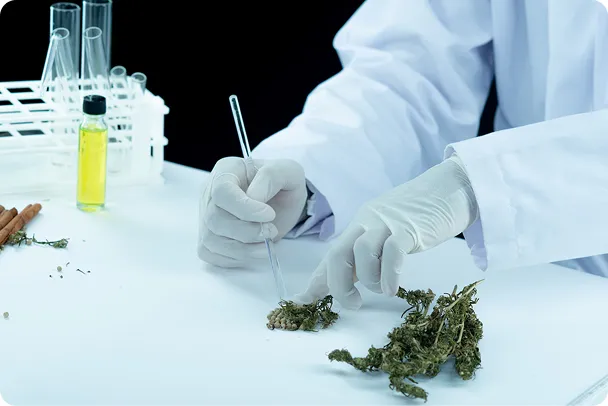
At LeafEase, treatment is delivered under specialist supervision, ensuring every patient is safely assessed and supported throughout their care. Our personalised approach helps you explore medical cannabis as a regulated, clinically guided option for long-term pain relief.

Medical cannabis treatment is generally well tolerated when used under specialist supervision. Some individuals may notice mild effects as their body adjusts to treatment.
These effects are usually mild and often improve as dosage is adjusted. Regular clinical reviews help ensure treatment remains safe and suitable.
Find out whether medical cannabis may be a suitable treatment option for Interstitial Cystitis
Simply submit your questions, and we’ll do our best to address them promptly and thoroughly. Your health is our priority, and we’re here to support you every step of the way.
Medical cannabis may help regulate pain signalling and inflammation associated with bladder and pelvic pain conditions, which may improve comfort for some individuals.
Specialist clinicians in the UK may prescribe medical cannabis for chronic pain conditions when conventional treatments have not provided adequate symptom relief.
Medical cannabis may help manage symptoms such as bladder pain, pelvic discomfort, sleep disturbance, and chronic irritation associated with painful bladder syndrome.
Cannabinoids interact with receptors involved in pain signalling and inflammation, which may help regulate pelvic pain and nerve sensitivity in bladder conditions.
At LeafEase, patients undergo a specialist clinical assessment where symptoms, medical history, and previous treatments are reviewed to determine whether regulated medical cannabis treatment may be appropriate.