
Chemotherapy-induced nausea and vomiting (CINV) is a common side effect experienced by patients undergoing cancer treatment. Chemotherapy drugs can stimulate areas of the brain and digestive system responsible for nausea and vomiting, which may significantly affect appetite, hydration, and overall quality of life during treatment.
For individuals whose symptoms remain difficult to manage with conventional treatments, medical cannabis is increasingly being explored as a potential option that may help reduce nausea, support appetite, and improve overall comfort during chemotherapy.
of patients receiving chemotherapy may experience nausea or vomiting if preventative treatment is not provided.
Still report nausea even when standard anti‑sickness medicines are used.
Many patients experience delayed nausea and vomiting occurring more than 24 hours after chemotherapy treatment.
Chemotherapy‑related nausea and vomiting are among the most upsetting treatment side effects.
If these symptoms sound familiar and continue despite usual treatments, you can check your eligibility for medical cannabis treatment in minutes using our simple assessment.

The treatment pathway for chemotherapy-induced nausea and vomiting usually begins with preventative medications prescribed before chemotherapy sessions. Healthcare professionals often use anti-emetic medications designed to block nausea signals triggered by chemotherapy drugs.
Additional supportive care may include hydration strategies, dietary adjustments, and monitoring of nutritional intake. In some cases, multiple medications may be combined to improve symptom control. For individuals whose symptoms remain difficult to manage despite these approaches, medical cannabis may also be explored under specialist supervision as an alternative option for symptom relief.
Chemotherapy medications can stimulate areas of the brain responsible for controlling nausea and vomiting. These drugs may also affect the digestive tract and trigger the release of chemicals that activate nausea pathways.
The severity of symptoms may vary depending on the type of chemotherapy medication, treatment schedule, and individual patient response.
Find out if you may be eligible for Chemotherapy-Induced Nausea and Vomiting medical cannabis treatment here.
Medical cannabis may help manage chemotherapy-induced nausea and vomiting by interacting with the body’s endocannabinoid system, which plays a role in regulating nausea signals, appetite, and digestive responses. Cannabinoids such as CBD and THC may help reduce nausea signals in the brain while also supporting appetite and improving overall comfort during treatment.
Some individuals also report improvements in sleep and overall wellbeing. When prescribed under specialist supervision, medical cannabis may be considered as an alternative or complementary option for individuals whose chemotherapy-related nausea and vomiting remain difficult to manage with conventional treatments.
Studies on Medical Cannabis as a Treatment for Chemotherapy-Induced Nausea and Vomiting
Reference: https://www.ncbi.nlm.nih.gov/pmc/articles/PMC3165946/
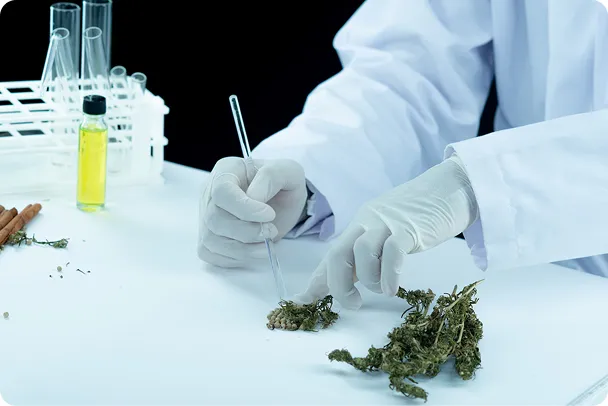
At LeafEase, treatment is delivered under specialist supervision, ensuring every patient is carefully assessed and supported throughout their care. Our personalised approach helps you explore medical cannabis as a regulated, clinically guided option for managing chemotherapy-related symptoms.

Medical cannabis may help manage chemotherapy-induced nausea and vomiting, but some individuals may experience side effects depending on dosage, formulation, and personal response.
Most side effects are typically mild, temporary, and carefully monitored to ensure treatment remains safe and well-tolerated.
Find out whether medical cannabis may be a suitable treatment option for Chemotherapy-Induced Nausea and Vomiting
Simply submit your questions, and we’ll do our best to address them promptly and thoroughly. Your health is our priority, and we’re here to support you every step of the way.
In some cases, specialist clinicians may consider medical cannabis alongside conventional anti-nausea medications when symptoms are not fully controlled. Treatment plans are typically personalised to ensure safe and coordinated care.
Eligibility is usually assessed by a specialist clinician who reviews the patient’s cancer treatment plan, symptom severity, previous treatments, and overall medical history before recommending cannabis-based therapy.
In the UK, cannabis-based medicinal products may be prescribed by specialist doctors when other treatments have not provided sufficient relief.
At LeafEase, eligibility is assessed through a specialist clinical review that evaluates your medical history, symptoms, and previous treatments to determine whether medical cannabis may be appropriate for your condition.
Some clinicians explore cannabis-based treatments for patients who struggle with reduced appetite during cancer therapy, as appetite support can play an important role in maintaining nutritional intake.
A specialist clinician will evaluate potential contraindications, including interactions with other medications or certain medical conditions, before prescribing treatment.
Some patients report improvements in overall comfort and treatment tolerance when symptoms such as nausea and appetite loss are better managed under specialist supervision.