
Cancer-related pain is a common symptom experienced by individuals living with cancer and may arise from tumour growth, inflammation, nerve damage, or treatments such as surgery, chemotherapy, or radiotherapy. Persistent pain can significantly affect sleep, mobility, emotional wellbeing, and overall quality of life during cancer care. For individuals whose symptoms remain difficult to manage with conventional treatments, medical cannabis is increasingly being explored as a potential option that may help influence pain pathways and support overall comfort. LeafEase offers carefully developed medical cannabis solutions designed to provide a balanced and regulated approach for individuals seeking additional support in managing cancer-related pain.
Cancer patients undergoing treatment who report experiencing pain.
People with advanced cancer who experience moderate to severe pain.
Cancer survivors who report persistent pain affecting daily activities.
If you recognise these symptoms and they persist despite conventional treatments, you can find out in minutes whether you may be eligible for medical cannabis treatment through our simple online assessment.

The treatment pathway for cancer-related pain usually begins with a clinical assessment where healthcare professionals evaluate the cause, location, and severity of the pain. Conventional management often includes medications such as anti-inflammatory drugs, opioid analgesics, or nerve-targeting medicines depending on the nature of the pain. Additional supportive treatments may involve physiotherapy, nerve blocks, radiotherapy, or other interventions aimed at improving comfort and mobility. For individuals whose symptoms remain difficult to manage despite conventional approaches, medical cannabis may also be explored under specialist supervision as an alternative option for symptom relief, with LeafEase providing carefully formulated medical cannabis solutions to support patients seeking additional management options.
Cancer-related pain can occur due to several factors associated with the disease itself or the treatments used to manage it.
The type and severity of pain may vary depending on the cancer type, stage of the disease, and individual patient factors.
Find out if you may be eligible for Cancer-Related Pain medical cannabis treatment here.
Medical cannabis may help manage cancer-related pain by interacting with the body’s endocannabinoid system, which plays a role in regulating pain perception, inflammation, and neurological signalling. Cannabinoids such as CBD and THC may influence pathways involved in pain modulation and muscle relaxation. Some individuals also report improvements in sleep and overall wellbeing when symptoms are better managed. When prescribed under specialist supervision, medical cannabis may be considered as an alternative or complementary option for individuals whose cancer-related pain remains difficult to manage with conventional treatments.
Reference: https://www.ncbi.nlm.nih.gov/pmc/articles/PMC2503660/
Reference: https://www.ncbi.nlm.nih.gov/pmc/articles/PMC3165946/
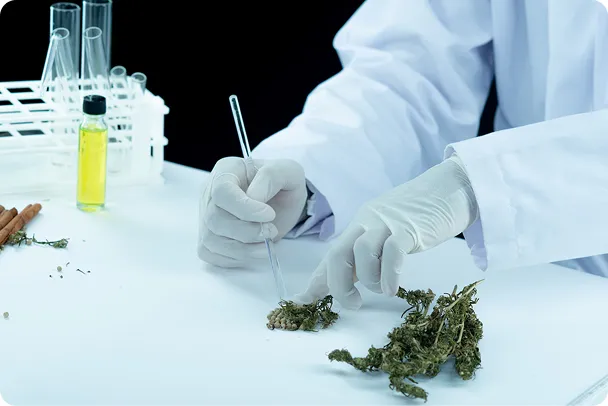
At LeafEase, treatment is delivered under specialist supervision to ensure every patient is carefully assessed and supported throughout their care. Our personalised approach helps you explore medical cannabis as a regulated, clinically guided option for managing cancer-related pain.

Medical cannabis may help manage cancer-related pain, but some individuals may experience side effects depending on dosage, formulation, and personal response.
Most side effects are typically mild, temporary, and carefully monitored to ensure treatment remains safe and well tolerated.
Find out whether medical cannabis may be a suitable treatment option for Cancer-Related Pain
Simply submit your questions, and we’ll do our best to address them promptly and thoroughly. Your health is our priority, and we’re here to support you every step of the way.
Specialist clinicians usually evaluate the patient’s cancer diagnosis, current pain management therapies, treatment history, and overall health before deciding whether medical cannabis could be considered.
Doctors may consider pain severity, response to existing medications, potential drug interactions, and the patient’s overall clinical condition when evaluating cannabis-based treatment options.
Regulated cannabis-based medicinal products such as oils or capsules may be prescribed depending on the patient’s symptoms and the treatment plan designed by the specialist clinician.
Clinicians typically begin with a low starting dose and gradually adjust the formulation based on symptom response, tolerance, and overall treatment goals.
Specialist clinicians may consider cannabis-based medicines alongside existing pain management therapies to help support overall symptom control and patient comfort.
A comprehensive clinical assessment allows clinicians to review treatment history, ongoing cancer care, and potential risks before incorporating cannabis-based therapy into a personalised care plan.