
Cachexia is a complex metabolic syndrome characterised by significant weight loss, muscle wasting, and loss of appetite, often associated with chronic illnesses such as cancer, chronic infections, or advanced organ disease. It can lead to weakness, fatigue, and reduced physical function, which may significantly affect overall wellbeing and quality of life. For individuals whose symptoms remain difficult to manage with conventional treatments, medical cannabis is increasingly being explored as a potential option that may help stimulate appetite, support weight maintenance, and improve overall comfort.
of patients with advanced cancer may experience cachexia during the course of their illness.
cancer-related deaths are associated with severe cachexia and its complications.
If these symptoms sound familiar and continue despite usual treatments, you can check your eligibility for medical cannabis treatment in minutes using our quick online assessment.

The treatment pathway for cachexia usually begins with a clinical assessment, where a healthcare professional reviews the underlying medical condition, nutritional status, and weight changes. Initial management often focuses on treating the underlying illness and providing nutritional support to help maintain energy intake.
Dietary interventions, appetite-stimulating medications, and supportive therapies may be recommended to help improve nutritional status and physical strength. In some cases, multidisciplinary care involving nutrition specialists and clinicians may be required. For individuals whose symptoms remain difficult to manage with conventional treatments, medical cannabis may also be explored under specialist supervision as an alternative option for symptom relief.
Cachexia develops due to complex metabolic changes in the body that lead to loss of muscle mass and reduced appetite. It is commonly associated with chronic illnesses that trigger inflammation and alter normal metabolism.
These factors may contribute to progressive weight loss and muscle wasting despite adequate nutritional intake.
Find out if you may be eligible for Cachexia medical cannabis treatment here.
Medical cannabis may help manage cachexia symptoms by interacting with the body’s endocannabinoid system, which plays a role in regulating appetite, metabolism, and energy balance. Cannabinoids such as CBD and THC may help stimulate appetite, support food intake, and improve overall comfort in individuals experiencing weight loss related to chronic illness.
Some individuals also report improvements in sleep, mood, and overall wellbeing. When prescribed under specialist supervision, medical cannabis may be considered as an alternative or complementary option for individuals whose cachexia symptoms remain difficult to manage with conventional treatments.
Studies/statistics on Medical Cannabis Alternative Solution as a Treatment for Cachexia
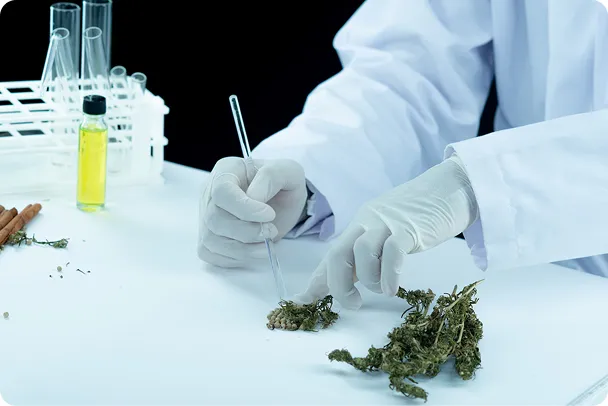
At LeafEase, treatment is delivered under specialist supervision, ensuring every patient is carefully assessed and supported throughout their care. Our personalised approach helps you explore medical cannabis as a regulated, clinically guided option for managing cachexia symptoms.

Medical cannabis may help manage cachexia symptoms, but some individuals may experience side effects depending on dosage, formulation, and personal response.
Most side effects are typically mild, temporary, and carefully monitored to ensure treatment remains safe and well-tolerated.
Find out whether medical cannabis may be a suitable treatment option for Cachexia
Simply submit your questions, and we’ll do our best to address them promptly and thoroughly. Your health is our priority, and we’re here to support you every step of the way.
Specialist clinicians usually evaluate factors such as the underlying illness, severity of weight loss, previous treatments, and the patient’s overall nutritional status before considering medical cannabis as part of a management plan.
In many cases, clinicians may consider medical cannabis alongside dietary interventions or nutritional supplements aimed at improving calorie intake and supporting weight maintenance.
Medical cannabis may be prescribed in regulated forms such as oils, capsules, or other clinician-approved formulations depending on the patient’s treatment plan and clinical assessment.
In the UK, cannabis-based medicinal products may be prescribed by specialist doctors when conventional treatments have not provided sufficient symptom control.
Specialist clinicians typically begin with a carefully monitored dosage and adjust the treatment gradually based on the patient’s response, tolerance, and symptom improvement.
For some individuals, improved symptom management may help support overall comfort during ongoing treatment for chronic conditions.
Patients prescribed medical cannabis are usually monitored by specialist clinicians to assess symptom improvement, potential side effects, and overall treatment safety.