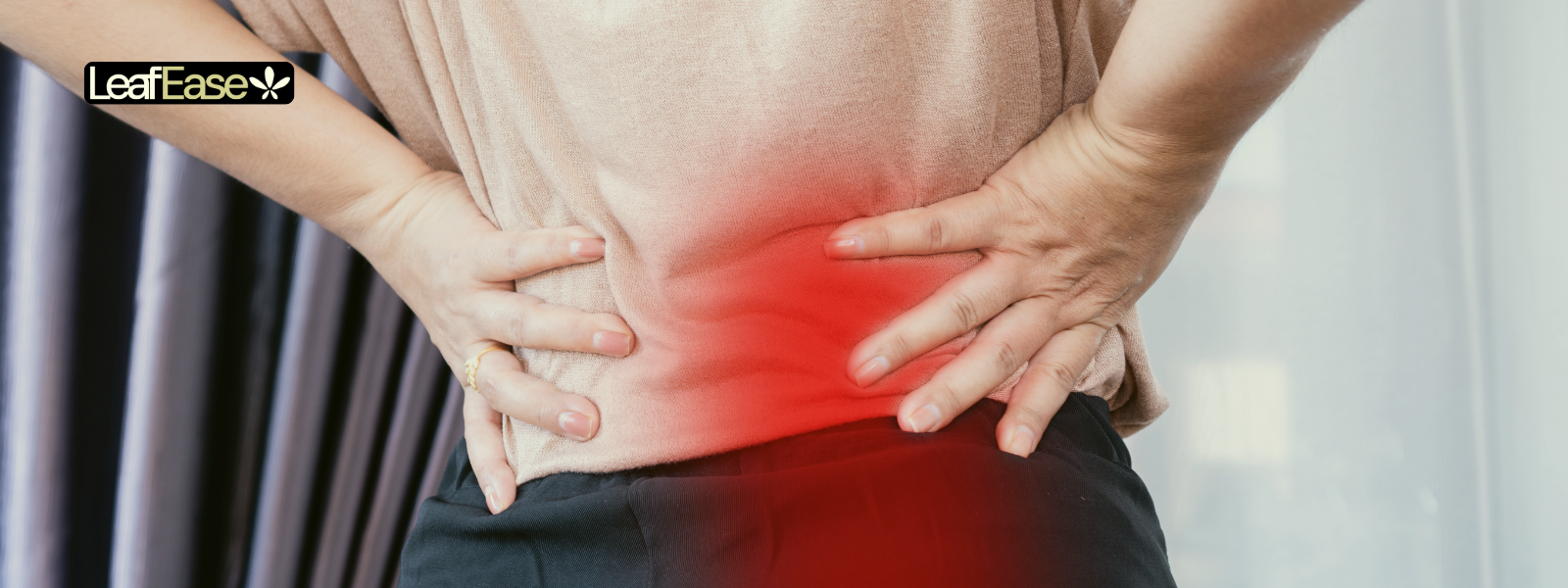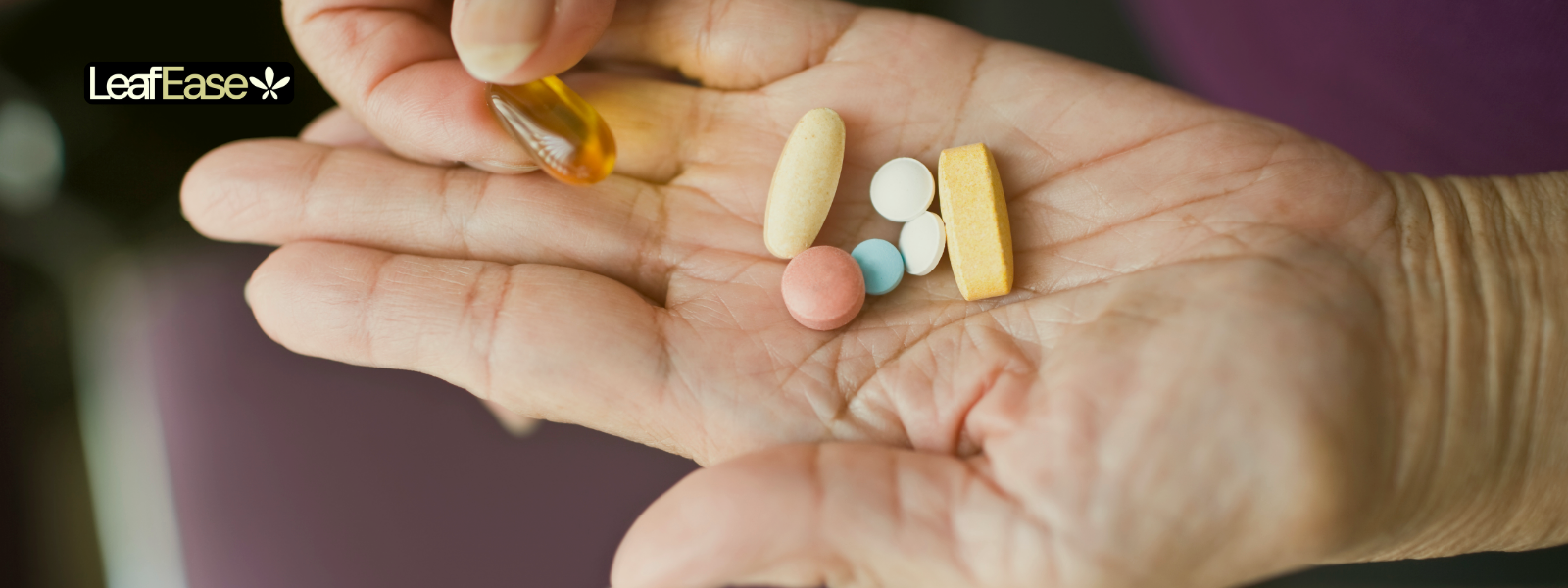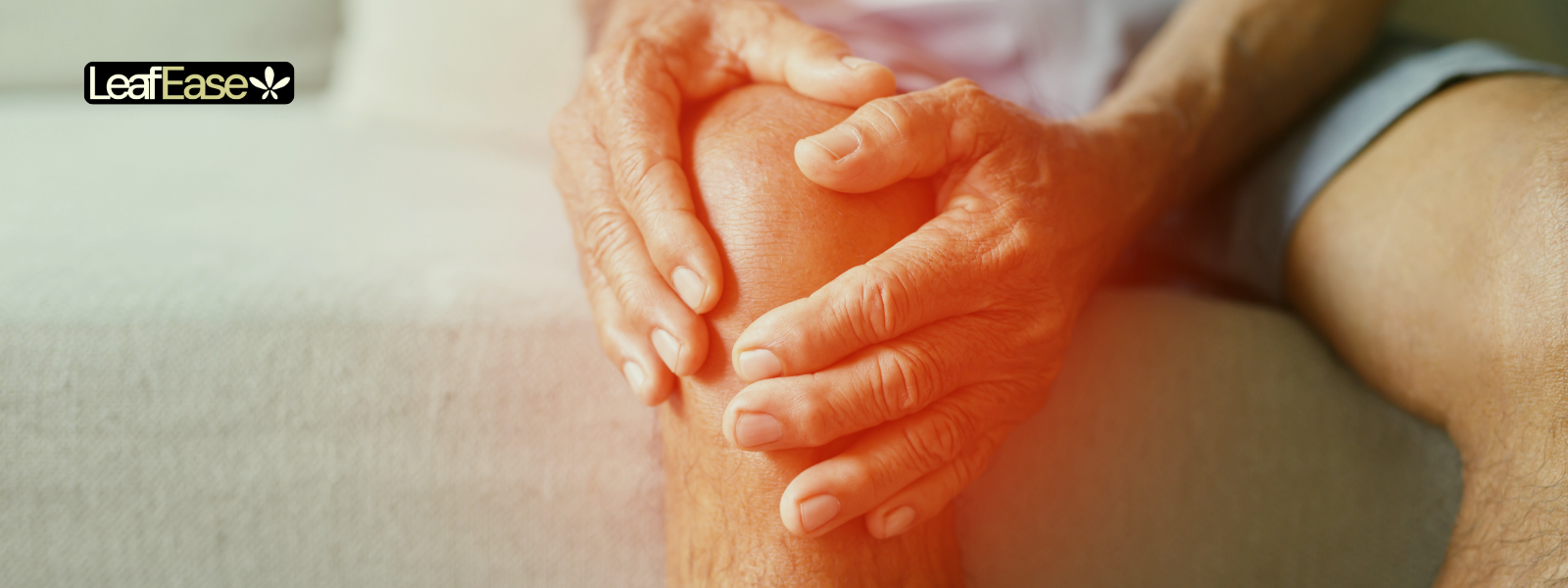



Stiffness that takes longer to ease each morning. Pain on stairs that used to be automatic. Changes to your grip, your walk or how far you can go before you need to stop. The pain management that worked for a while may not be enough anymore, and it is reasonable to ask whether a review is needed and what other regulated options might exist. This article explains what care usually involves, what the evidence says about cannabis-based medicines for osteoarthritis, and when a specialist assessment may be relevant.
Key Takeaways
- Managing osteoarthritis well means an individual plan that may include exercise, weight management where clinically appropriate, and medicines.
- A review is sensible when pain still limits daily life despite agreed care, or when side effects are affecting your current treatment.
- Medical cannabis is not a standard or first-line osteoarthritis treatment. Evidence is indirect and does not establish cannabis as a joint treatment.
- Cannabis does not repair joint damage, slow osteoarthritis progression or replace surgery.
- Individual clinical assessment determines whether a CBPM prescription may be appropriate.
Osteoarthritis pain relief: when is it time to review your plan?
Pain management works best when it is regularly reviewed and adjusted as your condition changes. A clinical review makes sense when pain consistently limits your daily activities, sleep, or independence despite following the agreed plan, when side effects from current medicines are a problem, or when symptoms have changed significantly. Medical cannabis is not a standard first-line osteoarthritis treatment and would not usually be the first option a GP or specialist considers. ¹ If your pain management has reached its limits and you have documented prior treatments; a private specialist may assess whether a CBPM could be considered alongside your existing care. This is an individual clinical decision rather than a standard route.
What is the best pain relief for osteoarthritis?
There is no single best answer. NICE recommends that osteoarthritis pain management should be individual, combining exercise, strengthening, weight management where clinically appropriate, and medicines selected based on the person’s specific circumstances and other health conditions. ¹ Oral NSAIDs, paracetamol, topical options, and steroid or hyaluronic acid injections may each have a role depending on the affected joint and overall health. What is the best pain relief for osteoarthritis for you specifically depends on your joint involvement, your other health conditions, your current medicines, and what you have already tried.
What can I take for osteoarthritis pain?
The answer to what can I take for osteoarthritis pain depends on your full health picture and should be discussed with your GP or a pharmacist rather than selected independently. ² NICE cautions against strong opioids for osteoarthritis because benefits are modest and risks, including dependence and falls, are significant. ¹ If you have other conditions such as kidney disease, heart disease or a history of gut problems, some common pain medicines may not be safe for you. A clinician or pharmacist can review what is appropriate for your individual circumstances and current medicines.
What evidence exists for medical cannabis and osteoarthritis pain relief?
Evidence for cannabis-based medicines in chronic musculoskeletal pain exists, but it is indirect when applied to osteoarthritis specifically. A UK Medical Cannabis Registry analysis of patients with chronic pain, including musculoskeletal conditions, found associations between CBPM treatment and improvements in pain severity, pain interference and quality of life over time. ³ NICE guidance on cannabis-based medicinal products acknowledges some evidence for chronic pain conditions but concludes that further research is needed and does not recommend CBMPs for osteoarthritis specifically. ⁴
Medical cannabis does not repair cartilage, slow joint degeneration or replace joint surgery. Osteoarthritis pain relief via cannabis, where it is considered, relates to symptom management alongside existing care, not disease modification. Claims that cannabis or weed treats the underlying osteoarthritis condition are not supported by current evidence.
When a private assessment may be relevant
A specialist may discuss a CBPM assessment for osteoarthritis pain relief if you have a confirmed diagnosis, have tried at least two appropriate treatments without sufficient benefit or with significant side effects, and have no contraindications that would make cannabis-based treatment unsuitable. The specialist reviews your diagnosis, treatment history, pain and functional impact, current medicines and safety factors. Accessing a private medical cannabis specialist does not require a GP referral, and our guide to accessing private medical cannabis without a GP referral explains how the process works.
Consider someone with confirmed knee osteoarthritis who has completed a physiotherapy programme and tried a prescribed pain management plan. Despite this, pain continues to affect their sleep and their ability to walk the distances their daily life requires. Medication side effects have limited how consistently they can use some options. This is the kind of history a specialist would review. It does not indicate what the outcome of an assessment would be.
What ongoing care at LeafEase looks like
Consultations at LeafEase take place by video with GMC-registered specialist clinicians who review your full records, treatment history and safety factors before any prescribing decision. If a CBPM prescription is considered appropriate, medication is dispensed and delivered to your home in plain, discreet packaging with no indication of the contents on the outside.
Through LeafEase Advantage, you have continuity with the same clinician, follow-up reviews, appointments built around your daily routine and needs, and free home delivery. If a clinician determines that a CBPM is not suitable, no prescription is issued.
If you have a confirmed osteoarthritis diagnosis and a treatment history without adequate osteoarthritis pain relief, you can check your eligibility for a specialist assessment.
Frequently Asked Questions
Can you get medical cannabis for osteoarthritis in the UK?
A private specialist may consider a CBPM assessment for osteoarthritis where standard treatments have not given adequate relief, but this is an individual clinical decision. Having a diagnosis does not guarantee a prescription. Treatment history and safety factors are both reviewed.
What is the best pain relief for osteoarthritis?
There is no universal answer. NICE recommends an individual plan combining exercise, strengthening, weight management where appropriate, and medicines selected for your circumstances. A GP or physiotherapist can advise on what is most appropriate for your joint involvement and health.
Can weed help with arthritis pain?
Some people use cannabis informally for joint pain, but illicit use carries no clinical oversight, no dosing accuracy and no safety review. Prescribed medical cannabis for osteoarthritis in the UK is assessed individually by a specialist, dispensed through a licensed pharmacy, and monitored through follow-up care. If you are asking whether a legal regulated prescription could be appropriate for your osteoarthritis, a specialist assessment is the right starting point.
What treatments should I try before a medical cannabis assessment?
Most assessments look for evidence that at least two appropriate treatments have been tried without sufficient benefit. For osteoarthritis, this typically includes exercise-based approaches and appropriate medicines, with documented outcomes.
Can medical cannabis be taken with arthritis pain medicines?
This requires individual clinical review. Some interactions are possible, particularly between cannabis and certain pain medicines or blood pressure treatments. A specialist reviews your full medicines list before any prescribing decision.
Is a private prescription suitable if I am waiting for joint surgery?
A specialist will assess this individually. Driving and other safety factors, other medicines, and your overall health picture are all relevant. Inform the specialist if you are listed for surgery, as this affects the clinical review.
References
1] National Institute for Health and Care Excellence (2022) Osteoarthritis in over 16s: diagnosis and management. NICE Guideline NG226. Available at: https://www.nice.org.uk/guidance/ng226 Accessed: September 2026].
2] NHS (2023) Osteoarthritis. Available at: https://www.nhs.uk/conditions/osteoarthritis/ Accessed: September 2026].
3] Lintzeris, N. et al. (2021) Clinical outcome data of first cohort of chronic pain patients treated with cannabis-based sublingual oils in the United Kingdom: analysis from the UK Medical Cannabis Registry. PubMed Central. Available at: https://pmc.ncbi.nlm.nih.gov/articles/PMC9292210/ Accessed: September 2026].
4] National Institute for Health and Care Excellence (2019) Cannabis-based medicinal products. NICE Guideline NG144. Available at: https://www.nice.org.uk/guidance/ng144 Accessed: September 2026].