
Huntington’s disease is a progressive neurological condition caused by a genetic mutation that leads to the gradual degeneration of nerve cells in the brain. The disease can affect movement, cognitive function, and emotional wellbeing, often resulting in symptoms that interfere with coordination, speech, and daily activities. For individuals whose symptoms remain difficult to manage with conventional treatments, medical cannabis is increasingly being explored as a potential option that may help support neurological comfort and symptom management. LeafEase offers carefully developed medical cannabis solutions designed to provide a balanced and regulated approach for individuals seeking additional support in managing Huntington’s disease symptoms.
Of people with Huntington’s disease may first experience symptoms before the age of 20, known as juvenile-onset Huntington’s disease.
Of individuals with Huntington’s disease who experience significant psychiatric symptoms such as depression or anxiety.
Of people with a parent affected by Huntington’s disease who have a genetic risk of inheriting the condition.
If you recognise these symptoms and they continue despite conventional treatments, you can find out in minutes whether you may be eligible for medical cannabis treatment through our simple online assessment.

The treatment pathway for Huntington’s disease symptoms usually begins with a comprehensive neurological assessment where clinicians evaluate movement patterns, cognitive changes, and behavioural symptoms. Conventional management often involves medications to help control involuntary movements, mood symptoms, or behavioural changes. Supportive therapies such as physiotherapy, speech therapy, and occupational therapy may also be recommended to help maintain mobility and independence. For individuals whose symptoms remain difficult to manage despite conventional approaches, medical cannabis may also be explored under specialist supervision as an alternative option for symptom relief, with LeafEase providing carefully formulated medical cannabis solutions to support patients seeking additional management options.
Huntington’s disease is caused by a mutation in the HTT gene, which results in the production of an abnormal form of the huntingtin protein. Over time, this abnormal protein damages nerve cells in specific regions of the brain that control movement, cognition, and emotional regulation.
These neurological changes gradually lead to the characteristic symptoms associated with Huntington’s disease.
Find out if you may be eligible for Huntington’s Disease Symptoms medical cannabis treatment here.
Medical cannabis may help manage certain neurological symptoms by interacting with the body’s endocannabinoid system, which plays a role in regulating neurological signalling, muscle activity, and mood balance. Cannabinoids such as CBD and THC may influence pathways involved in motor control and neurological comfort. Some individuals also report improvements in sleep and overall wellbeing when symptoms are better managed. When prescribed under specialist supervision, medical cannabis may be considered as an alternative or complementary option for individuals whose Huntington’s disease symptoms remain difficult to manage with conventional treatments.
Reference: https://pubmed.ncbi.nlm.nih.gov/19104679/
Reference: https://www.ncbi.nlm.nih.gov/pmc/articles/PMC2503660/
Reference: https://www.ncbi.nlm.nih.gov/pmc/articles/PMC3165946/
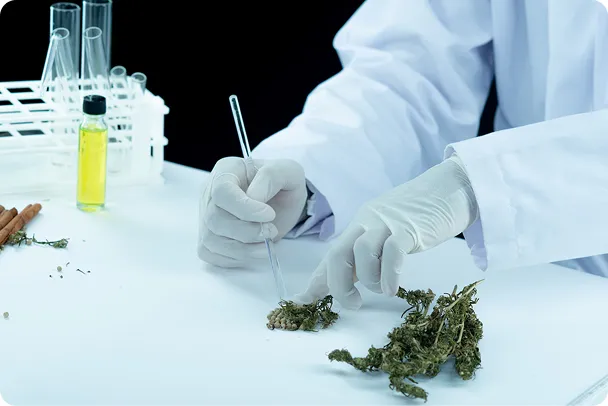
At LeafEase, treatment is delivered under specialist supervision to ensure every patient is carefully assessed and supported throughout their care. Our personalised approach helps you explore medical cannabis as a regulated, clinically guided option for managing Huntington’s disease symptoms.

Medical cannabis may help manage Huntington’s disease symptoms, but some individuals may experience side effects depending on dosage, formulation, and personal response.
Most side effects are typically mild, temporary, and carefully monitored to ensure treatment remains safe and well tolerated.
Find out whether medical cannabis may be a suitable treatment option for Huntington’s Disease Symptoms
Simply submit your questions, and we’ll do our best to address them promptly and thoroughly. Your health is our priority, and we’re here to support you every step of the way.
Specialist clinicians usually review the patient’s neurological history, current medications, and overall health before deciding whether medical cannabis could be considered as part of a symptom management plan.
Doctors may consider symptom severity, previous treatment responses, potential medication interactions, and the patient’s overall neurological condition before recommending cannabis-based therapy.
Regulated products such as medical cannabis oils or capsules may be prescribed depending on the patient’s clinical needs and the treatment plan designed by the specialist clinician.
Clinicians typically begin with a carefully monitored starting dose and adjust treatment gradually based on symptom response and individual tolerance.
Patients are usually reviewed through regular follow-up consultations where clinicians assess symptom changes, treatment tolerance, and overall wellbeing.
Specialist clinicians may consider cannabis-based treatments alongside existing neurological therapies and supportive care strategies to help improve overall symptom management.
A comprehensive clinical assessment helps clinicians evaluate neurological symptoms, treatment goals, and potential risks before incorporating cannabis-based therapies into a care plan.