
Phantom limb pain is a condition experienced by some individuals after the loss of a limb through amputation. Despite the limb no longer being present, the brain continues to send or receive nerve signals from the affected area, which can lead to sensations of pain, burning, or pressure. These sensations may occur in the missing limb and can vary in intensity, sometimes disrupting sleep, mobility, and daily comfort.
LeafEase enables individuals experiencing persistent phantom limb pain to benefit from regulated medical cannabis treatment when conventional pain management approaches have not provided sufficient relief.
of people who undergo limb amputation may experience phantom limb pain.
amputees in the UK report ongoing phantom sensations or pain after surgery.
Up to 85% of individuals may experience phantom sensations shortly after amputation, although not all develop persistent pain
Symptoms are linked to nerve signalling changes following limb loss and may vary between individuals.
If these symptoms sound familiar and continue despite usual treatments, you can quickly check your eligibility for medical cannabis treatment through LeafEase’s simple online assessment.

In the UK, treatment for phantom limb pain often involves rehabilitation therapy, physiotherapy, and techniques aimed at retraining the brain’s perception of the missing limb. Mirror therapy, desensitisation exercises, and supportive therapies may also be used to help reduce nerve-related discomfort. For some individuals, pain may continue despite these approaches.
When phantom limb pain remains difficult to manage with conventional care, medical cannabis may offer an alternative option under specialist supervision. At LeafEase, patients undergo a detailed clinical assessment to determine treatment suitability and receive ongoing monitoring to support safe and effective symptom management.
Phantom limb pain occurs due to changes in the nervous system following limb amputation. Even though the limb is no longer present, nerve pathways connected to the missing limb continue to send signals to the brain.
The brain may interpret these signals as pain, leading to sensations that appear to come from the absent limb.
Changes in spinal cord activity and nerve sensitivity may also contribute to persistent phantom pain.
Find out if you may be eligible for Phantom Limb Pain medical cannabis treatment here.
Medical cannabis interacts with the body’s endocannabinoid system, which regulates pain perception, inflammation, and neurological activity. The cannabinoids THC (tetrahydrocannabinol) and CBD (cannabidiol) influence pathways involved in nerve-related pain.
THC helps regulate pain perception and may improve sleep quality, while CBD provides anti-inflammatory effects and supports regulation of nerve sensitivity linked to phantom pain. In the UK, specialist clinicians prescribe and supervise medical cannabis treatment to ensure safe and appropriate use.
Reference: https://www.allgreensclinic.org/can-medical-marijuana-help-with-phantom-limb-pain/
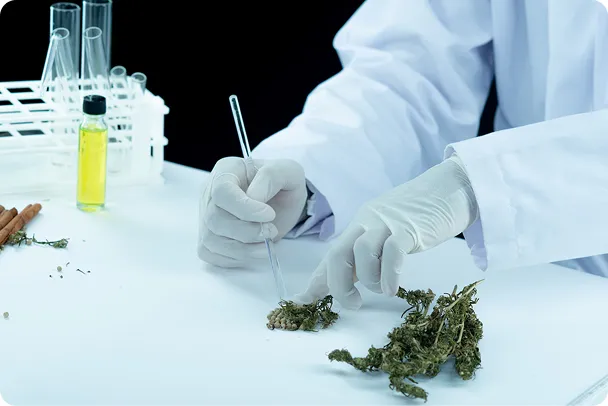
At LeafEase, treatment is delivered under specialist supervision, ensuring every patient is safely assessed and supported throughout their care. Our personalised approach helps you explore medical cannabis as a regulated, clinically guided option for long-term pain relief.

Medical cannabis treatment is generally well tolerated when used under specialist supervision. Some individuals may notice mild effects while their body adjusts to treatment.
These effects are usually mild and may improve as treatment is adjusted. Regular clinical reviews help ensure treatment remains safe and suitable.
Find out whether medical cannabis may be a suitable treatment option for Phantom Limb Pain
Simply submit your questions, and we’ll do our best to address them promptly and thoroughly. Your health is our priority, and we’re here to support you every step of the way.
Medical cannabis may help regulate nerve-related pain signals associated with phantom limb pain, which may improve comfort and sleep for some individuals.
The cannabinoids THC (tetrahydrocannabinol) and CBD (cannabidiol) interact with the body’s endocannabinoid system, which regulates pain signalling and nerve activity. THC helps reduce pain perception and improve sleep, while CBD supports anti-inflammatory responses and may help regulate nerve sensitivity associated with phantom limb pain.
Yes, phantom limb pain is generally classified as a type of neuropathic pain because it involves abnormal nerve signalling between the brain and the nervous system.
Specialist clinicians in the UK may prescribe medical cannabis for chronic pain conditions when conventional treatments have not provided adequate symptom control.
At LeafEase, patients undergo a specialist clinical assessment where symptoms, medical history, and previous treatments are reviewed to determine whether regulated medical cannabis treatment may be appropriate.