
Patients with advanced respiratory or heart disease experience persistent breathlessness during the course of their illness.
Individuals experiencing chronic breathlessness also report anxiety or emotional distress.
Breathlessness is one of the most frequently reported symptoms among people receiving palliative or supportive care.
Persistent breathlessness can significantly affect mobility, sleep quality, and the ability to perform daily tasks.
If these symptoms sound familiar and continue despite usual treatments, you can check your eligibility for medical cannabis treatment in minutes using our simple assessment.

In the UK, treatment for breathlessness-related distress often begins with respiratory therapy, medication management, and lifestyle adjustments designed to improve breathing and reduce discomfort.Healthcare professionals may also recommend breathing techniques, pulmonary rehabilitation, and supportive care strategies to help individuals manage symptoms more effectively.
However, some people continue to experience distress despite these approaches. In these cases, LeafEase offers access to specialist assessments for patients seeking alternative symptom management options. Through our clinical evaluation process, eligible patients may be considered for medical cannabis treatment under regulated medical supervision.
Breathlessness-related distress can occur when the body struggles to meet its oxygen demands or when breathing becomes physically uncomfortable. The sensation of breathlessness may trigger anxiety or panic, which can further worsen symptoms.
Many chronic conditions that affect the lungs, heart, or nervous system may contribute to persistent breathing difficulties. Emotional stress or fear of breathlessness can also intensify the experience.
Understanding the underlying causes can help healthcare providers develop appropriate treatment strategies and improve symptom management.
Find out if you may be eligible for Chronic Breathlessness-Related Distress treatment here.
Medical cannabis interacts with the body’s endocannabinoid system, which plays a role in regulating stress responses, inflammation, and emotional balance. Certain cannabinoids may help reduce anxiety and promote relaxation, which may ease distress associated with breathlessness.
Under specialist supervision, medical cannabis may help some individuals manage symptoms such as anxiety, discomfort, and sleep disturbance linked to breathing difficulties. Treatment suitability is carefully assessed to ensure safe and appropriate care.
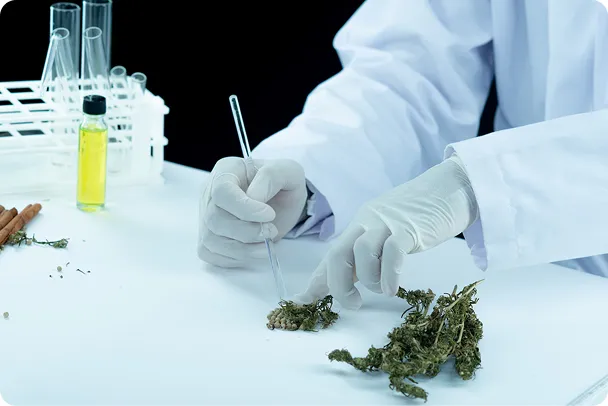
Medical cannabis may offer an alternative option for individuals experiencing distress related to chronic breathlessness when standard treatments have not provided sufficient relief. By interacting with the body’s endocannabinoid system, it may help support relaxation, reduce anxiety, and improve sleep.
At LeafEase, treatment is delivered under specialist supervision. Each patient receives a personalised assessment to determine whether medical cannabis may be a suitable and regulated option for managing breathlessness-related distress safely.

Like any treatment, cannabis-based medicines may cause side effects in some individuals. These effects are usually mild and vary depending on dosage and individual response.
Specialist doctors monitor treatment closely to ensure safe and appropriate use.
Find out whether medical cannabis may be a suitable treatment option for Breathlessness-Related Distress
Simply submit your questions, and we’ll do our best to address them promptly and thoroughly. Your health is our priority, and we’re here to support you every step of the way.
Yes. Medical cannabis may help some individuals manage anxiety and emotional distress associated with breathing difficulties under specialist supervision.
Yes. Medical cannabis is legal in the UK when prescribed by a specialist doctor for eligible patients.
Patients who have diagnosed conditions and have tried other treatments without sufficient improvement may be considered for specialist assessment.
The timeline varies depending on the individual and treatment plan determined by the specialist doctor.
Yes. Some patients report improved sleep quality when using cannabis-based medicines under medical supervision.