
Appetite loss is a common symptom experienced by people living with HIV or AIDS. Ongoing illness, treatment side effects, and physical discomfort may reduce hunger and make it difficult to maintain regular eating habits. Over time, reduced appetite can lead to weight loss, fatigue, and nutritional deficiencies that affect overall health.
Maintaining adequate nutrition is important for people managing HIV or AIDS, as proper nutrition supports immune function and energy levels. While dietary support and medical care can help improve appetite for some individuals, others continue to experience symptoms despite treatment. In these cases, LeafEase provides a pathway for eligible patients to explore alternative treatment options such as medical cannabis under specialist supervision.
Of people living with HIV experience appetite loss or weight loss during the course of their illness.
People living with HIV may experience nutritional challenges related to reduced appetite.
Appetite loss and weight loss are common complications reported among individuals living with advanced HIV infection.
Loss of appetite may affect strength, energy, and overall quality of life for individuals managing HIV or AIDS.
If these symptoms sound familiar and continue despite usual treatments, you can check your eligibility for medical cannabis treatment in minutes using our simple assessment.

In the UK, treatment for HIV-related appetite loss often begins with nutritional support, dietary guidance, and medical care aimed at maintaining healthy body weight and nutritional intake.
However, some individuals continue to experience reduced appetite despite these approaches. In these cases, LeafEase provides access to specialist assessments for patients seeking alternative symptom management options. Through our clinical evaluation process, eligible patients may be considered for medical cannabis treatment under regulated medical supervision.
Appetite loss in people living with HIV or AIDS can occur for several reasons. The illness itself, as well as certain medications or infections associated with weakened immunity, may affect appetite and digestion.
Physical symptoms such as nausea, fatigue, and pain may also reduce the desire to eat. In addition, emotional stress and anxiety related to long-term illness can contribute to reduced appetite.
Understanding the causes of appetite loss can help healthcare providers support patients with appropriate nutritional and medical care.
Find out whether medical cannabis may be a suitable treatment option for HIV/AIDS-Related Appetite Loss.
Medical cannabis interacts with the body’s endocannabinoid system, which plays an important role in regulating appetite, metabolism, and nausea. Certain cannabinoids may stimulate appetite and influence signals in the brain that control hunger.
Under specialist supervision, medical cannabis may help some individuals improve appetite and manage symptoms such as nausea or discomfort that affect eating. Treatment suitability is assessed carefully to ensure safe and appropriate use.
Cannabinoids and HIV-Related Symptoms Review (2011)
A review in Clinical Infectious Diseases examined cannabinoids for symptom management in HIV/AIDS. The research suggests cannabinoids may help improve appetite and reduce weight loss in some individuals.
Reference: https://pmc.ncbi.nlm.nih.gov/articles/PMC12127901/
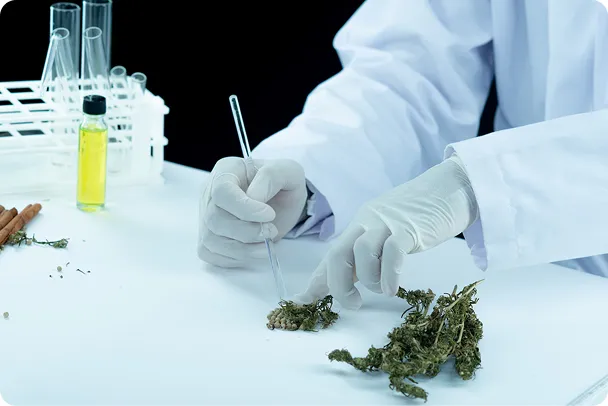
Medical cannabis may offer an alternative option for individuals experiencing persistent appetite loss related to HIV or AIDS when standard treatments have not provided sufficient relief.
At LeafEase, treatment is delivered under specialist supervision. Each patient receives a personalised assessment to determine whether medical cannabis may be a suitable and regulated option for managing HIV-related appetite loss safely.

Like any treatment, cannabis-based medicines may cause side effects in some individuals. These effects are usually mild and vary depending on dosage and individual response.
Specialist doctors monitor treatment closely to ensure safe and appropriate use.
Find out whether medical cannabis may be a suitable treatment option for HIV/AIDS-Related Appetite Loss
Simply submit your questions, and we’ll do our best to address them promptly and thoroughly. Your health is our priority, and we’re here to support you every step of the way.
Yes. Medical cannabis may help stimulate appetite and improve food intake in some individuals under specialist supervision.
Yes. Medical cannabis is legal in the UK when prescribed by a specialist doctor for eligible patients.
Patients who have a diagnosed condition and have tried other treatments without sufficient improvement may be considered for specialist assessment.
The timeline varies depending on the individual and treatment plan determined by the specialist doctor.
Yes. Some patients report reduced nausea and improved appetite when using cannabis-based medicines under medical supervision.