
Ulcerative colitis is a chronic inflammatory bowel disease that causes inflammation and ulcers in the lining of the large intestine and rectum. It can lead to symptoms such as abdominal pain, persistent diarrhoea, rectal bleeding, and fatigue, which may significantly affect daily life and overall well-being.
For individuals whose symptoms remain difficult to manage with conventional treatments, medical cannabis is increasingly being explored as a potential option that may help reduce inflammation, support pain relief, and improve overall comfort.
people in the UK are living with ulcerative colitis.
Approximately 0.8% of the UK population lives with inflammatory bowel disease, including ulcerative colitis and Crohn’s disease.
Ulcerative colitis often first appears in late teens or early adulthood.
Ulcerative colitis is long term, with flare‑ups followed by calmer periods.
If these symptoms sound familiar and continue despite usual treatments, you can check your eligibility for medical cannabis treatment in minutes using our quick online assessment.

The treatment pathway for ulcerative colitis usually begins with a clinical assessment, where a healthcare professional reviews symptoms, medical history, and the impact of the condition on daily life. Initial management often focuses on anti-inflammatory medications and lifestyle adjustments such as dietary modifications and stress management.
If symptoms continue or become more severe, additional treatments such as immunosuppressive therapies or biologic medications may be recommended to reduce intestinal inflammation and prevent complications. For individuals whose symptoms remain difficult to manage with conventional treatments, medical cannabis may also be explored under specialist supervision as an alternative option for symptom relief.
The exact cause of ulcerative colitis is not fully understood, but it is believed to involve an abnormal immune response that causes inflammation in the digestive tract. Several factors may contribute to the development of the condition.
Individual immune responses, genetics, and environmental influences may also affect how severe ulcerative colitis symptoms become.
Find out if you may be eligible for Ulcerative Colitis medical cannabis treatment here.
Medical cannabis may help manage ulcerative colitis symptoms by interacting with the body’s endocannabinoid system, which plays a role in regulating inflammation, immune responses, and pain. Cannabinoids such as CBD and THC may help reduce intestinal inflammation, relieve abdominal pain, and support appetite and sleep.
Some individuals also report improvements in overall wellbeing and gastrointestinal comfort. When prescribed under specialist supervision, medical cannabis may be considered as an alternative or complementary option for individuals whose ulcerative colitis symptoms remain difficult to manage with conventional treatments.
Studies on Medical Cannabis Alternative Solution as a Treatment for Ulcerative Colitis
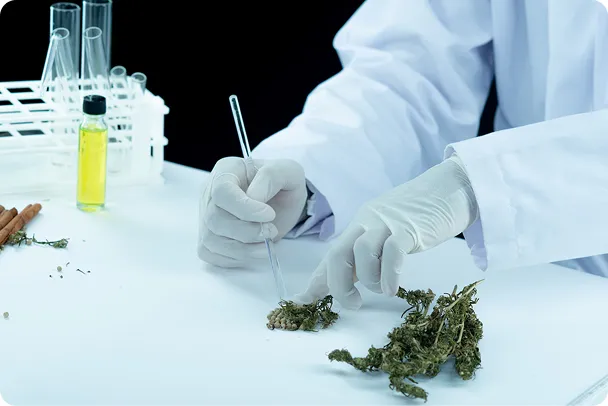
At LeafEase, treatment is delivered under specialist supervision, ensuring every patient is carefully assessed and supported throughout their care. Our personalised approach helps you explore medical cannabis as a regulated, clinically guided option for managing ulcerative colitis symptoms.

Medical cannabis may help manage ulcerative colitis symptoms, but some individuals may experience side effects depending on dosage, formulation, and personal response.
Most side effects are typically mild, temporary, and carefully monitored to ensure treatment remains safe and well-tolerated.
Find out whether medical cannabis may be a suitable treatment option for Ulcerative Colitis
Simply submit your questions, and we’ll do our best to address them promptly and thoroughly. Your health is our priority, and we’re here to support you every step of the way.
Specialist clinicians usually assess the patient’s medical history, previous treatments, and current symptom control before deciding whether medical cannabis may be considered as part of a treatment plan.
In some cases, clinicians may consider medical cannabis alongside standard treatments such as anti-inflammatory or immunosuppressive medications, depending on the patient’s individual clinical circumstances.
Medical cannabis may be prescribed in regulated forms such as oils, capsules, or other clinician-approved formulations depending on the patient’s treatment plan and symptom profile.
In the UK, cannabis-based medicinal products may be prescribed by specialist doctors when conventional treatments have not provided adequate symptom control.
Clinicians typically begin with a carefully monitored low dose and adjust the treatment gradually based on the patient’s response and tolerance.