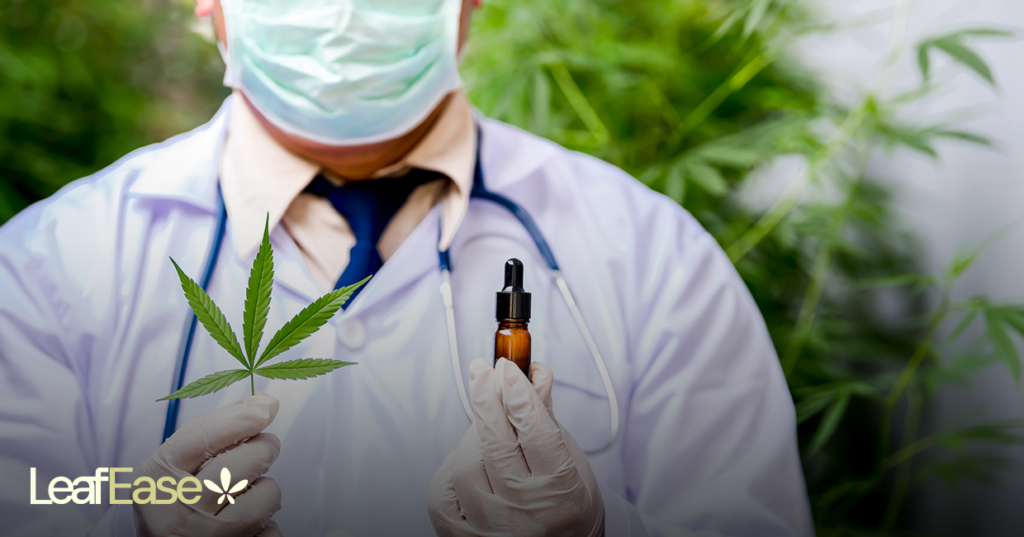



People hear a lot about cannabis benefits, but very little about what “medical cannabis” actually means for a real person in the UK.
Medical cannabis refers to cannabis‑based medicines prescribed by specialist doctors to help manage specific symptoms when standard treatments have not worked, rather than general or casual cannabis use.
People often hear about cannabis benefits online, but medical cannabis is different because the products are standardised, doses are adjusted carefully, and treatment is monitored within a clinical plan. When people talk about the health benefits of cannabis, they may be referring to prescribed medicines, shop‑bought CBD oils, or illicit cannabis, which behave differently in the body and are not held to the same safety and quality standards.
When medical cannabis may help, and its limits
The potential health benefits of cannabis depend heavily on the specific medicine, dose, and condition being treated. Medical cannabis is only considered after you have tried at least two appropriate treatments for your condition without enough relief or with difficult side effects.
Doctors may explore cannabis-based medicines for ongoing pain that has not responded to usual options, for muscle stiffness and spasms in multiple sclerosis, for certain rare types of severe epilepsy, and for nausea or appetite problems related to cancer treatment. Evidence for cannabis benefits is strongest for a narrow range of symptoms, and even then, improvements are usually modest rather than dramatic.
In practice, these potential cannabis benefits are often about feeling a bit more comfortable, sleeping better, or coping more easily with daily life through better symptom management, although some patients do report life‑changing reductions in certain symptoms.
How to access medical cannabis in the UK
In the UK, access to medical cannabis is managed through specialist doctors, and decisions are based on clinical need and your medical history.
Did you know?
An FOI analysis reported by Cannabis Health News found that between November 2018 and July 2022, there were over 89,000 private medical cannabis prescriptions, compared with fewer than five NHS prescriptions for cannabis medicines in the same period.
Private medical cannabis clinics offer another route, where specialist doctors review your diagnosis, previous treatments, and overall health before deciding whether a prescription is appropriate.
If you are curious about whether you might be eligible for medical cannabis–based medicines, you can start by completing a short assessment with our clinical team.
If your doctor believes the possible cannabis benefits outweigh the risks in your situation, they may consider a medical cannabis prescription and arrange for it to be dispensed through a licensed UK pharmacy as part of an ongoing treatment plan.
Side effects and staying safe with medical cannabis
Alongside any potential health benefits of cannabis, it is important to understand the medical cannabis side effects that can appear, especially when you are starting treatment or changing dose.
Common side effects of medical cannabis
The common side effects include feeling drowsy or light‑headed, dizziness when you stand up, a dry mouth, and changes in appetite or sleep. As medical cannabis can make some people feel drowsy, dizzy, or less alert, you must not drive or operate machinery if you feel impaired, even though your prescription is legal.
More serious medical cannabis side effects can involve strong anxiety or paranoia, hallucinations, heart palpitations, or signs of dependence, which is why clinicians follow a “start low and go slow” approach and review treatment regularly.
Is medical cannabis right for you?
A thoughtful decision weighs possible cannabis benefits against the side effects of medical cannabis, your other health conditions, and what you want life to look like day to day. It is less about whether cannabis is “good” or “bad” and more about whether it is a safe, realistic option for you at this point in your treatment journey.
Deciding if medical cannabis is right for you: questions to reflect on
- Have you already tried standard treatments for your condition, at the right dose and for long enough, and what happened when you did?
- Which symptoms matter most to you right now (for example pain at night, muscle spasms, nausea, seizures, sleep), and how would you know if they improved enough to feel worthwhile?
- Do you have any history of anxiety, depression, psychosis, heart problems, or substance use that might change how safe medical cannabis is for you?
- How would regular medication costs, check‑ins, and possible lifestyle changes (such as not driving when affected) fit into your current routine and responsibilities?
Medical cannabis consultations: questions to ask your doctor or clinic
- Which type of medical cannabis are you recommending for me, and why this product rather than another option?
- What medical cannabis side effects should I look out for, and what should I do if I notice them?
- How long will we try this treatment before deciding whether it is helping enough to continue?
- Could it interact with any of my current medicines or health conditions, and how will you monitor that?
These questions help you and your clinician decide together whether medical cannabis fits your goals, values, and safety profile, rather than feeling pushed into or away from it.
Ready to talk about medical cannabis?
Finding the right balance between possible cannabis benefits and the side effects of medical cannabis is not something you should have to work out on your own. For some people, medical cannabis can offer steadier sleep, more manageable pain, or fewer spasms when other options have not been enough; for others, the risks or practical demands make it the wrong fit.
The safest way to decide is with a specialist who understands both the health benefits of cannabis and its limits, and who can look at your full medical history, medications, and goals. If you would like our GMC‑registered doctors to review your situation and see whether medical cannabis could be appropriate for you, you can start with a short eligibility assessment with Leafease clinical team.
Frequently Asked Questions
What are the real cannabis benefits for chronic pain?
For some people with long‑term pain that has not responded to usual treatments, medical cannabis can offer modest improvements in pain levels, sleep, and day‑to‑day comfort, rather than complete pain relief. Doctors usually consider these cannabis benefits only after standard options have been tried.
What are the most common side effects of medical cannabis?
The most common side effects of medical cannabis include feeling drowsy or light‑headed, dizziness when you stand up, a dry mouth, and changes in appetite or sleep. These can affect activities such as driving, work, and caring responsibilities, especially when you first start treatment.
Will medical cannabis make me feel high?
Some medical cannabis products contain THC, which can cause a “high”, while others are CBD‑only and do not. The aim in medical care is symptom control, not feeling high, so clinicians adjust the product and dose to limit unwanted effects.
Can I drive while taking medical cannabis?
You must not drive if you feel sleepy, dizzy, confused, or otherwise impaired, and driving after taking THC‑containing products may be illegal even with a prescription. Your clinician should explain how your specific medicine affects driving rules and safety.